The Kopy Residence: Automotive Estate & Transitional Ranch
Project Snapshot
Location: Pittsburgh, Pennsylvania (Wooded Lakefront Lot)
Project Type: Custom Residential / Collector's Estate
Scale: 7,496 SF Total Building Area
Architectural Style: Transitional Ranch / German Schmear Brick
Key Amenities: 13-Car Capacity (with Lifts), Elevator, Heirloom Bar,
Architect:David Stumpf Architecture (David Stumpf, AIA)
Project Narrative
The Transitional Aesthetic: Regional & Refined
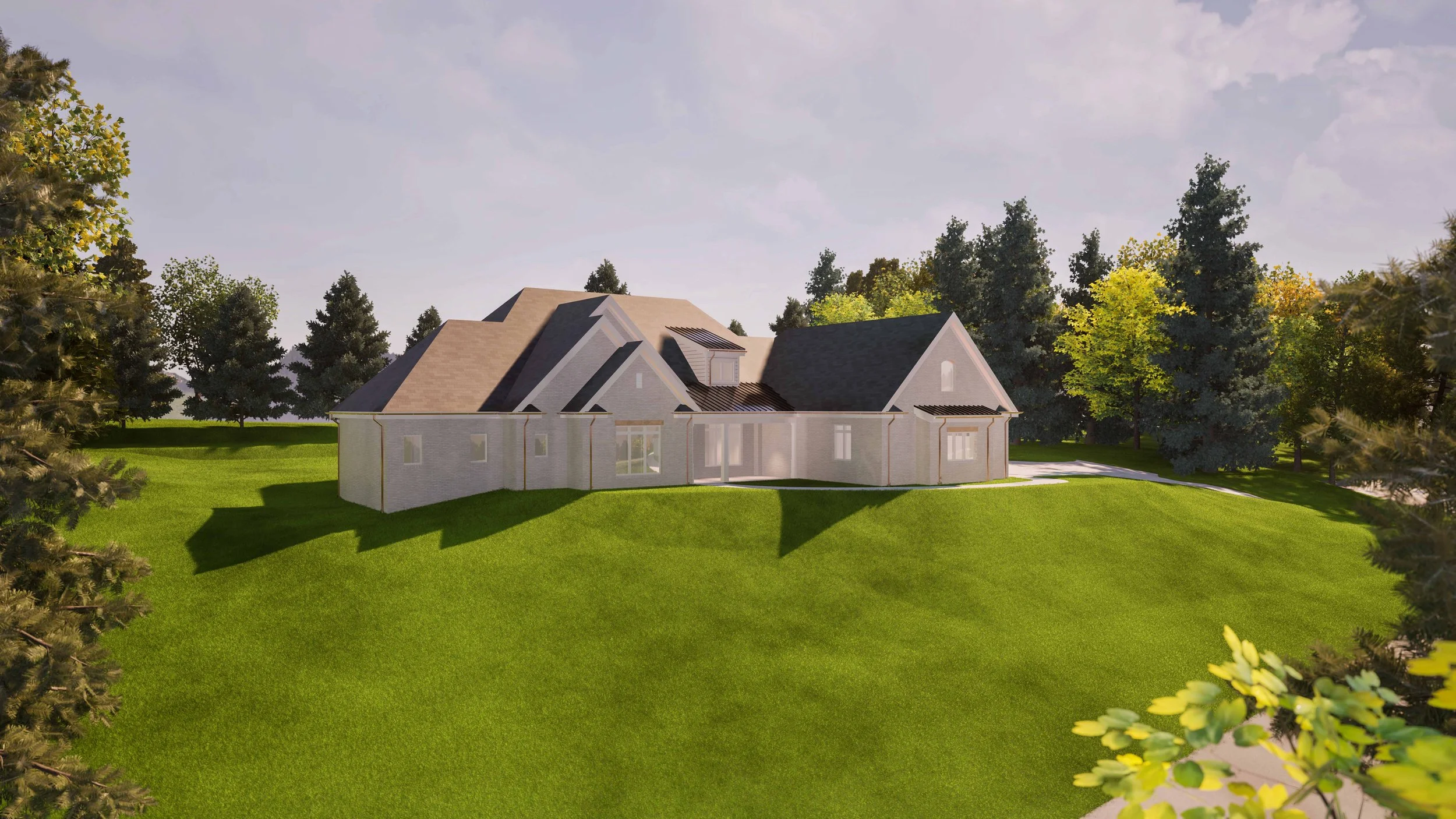
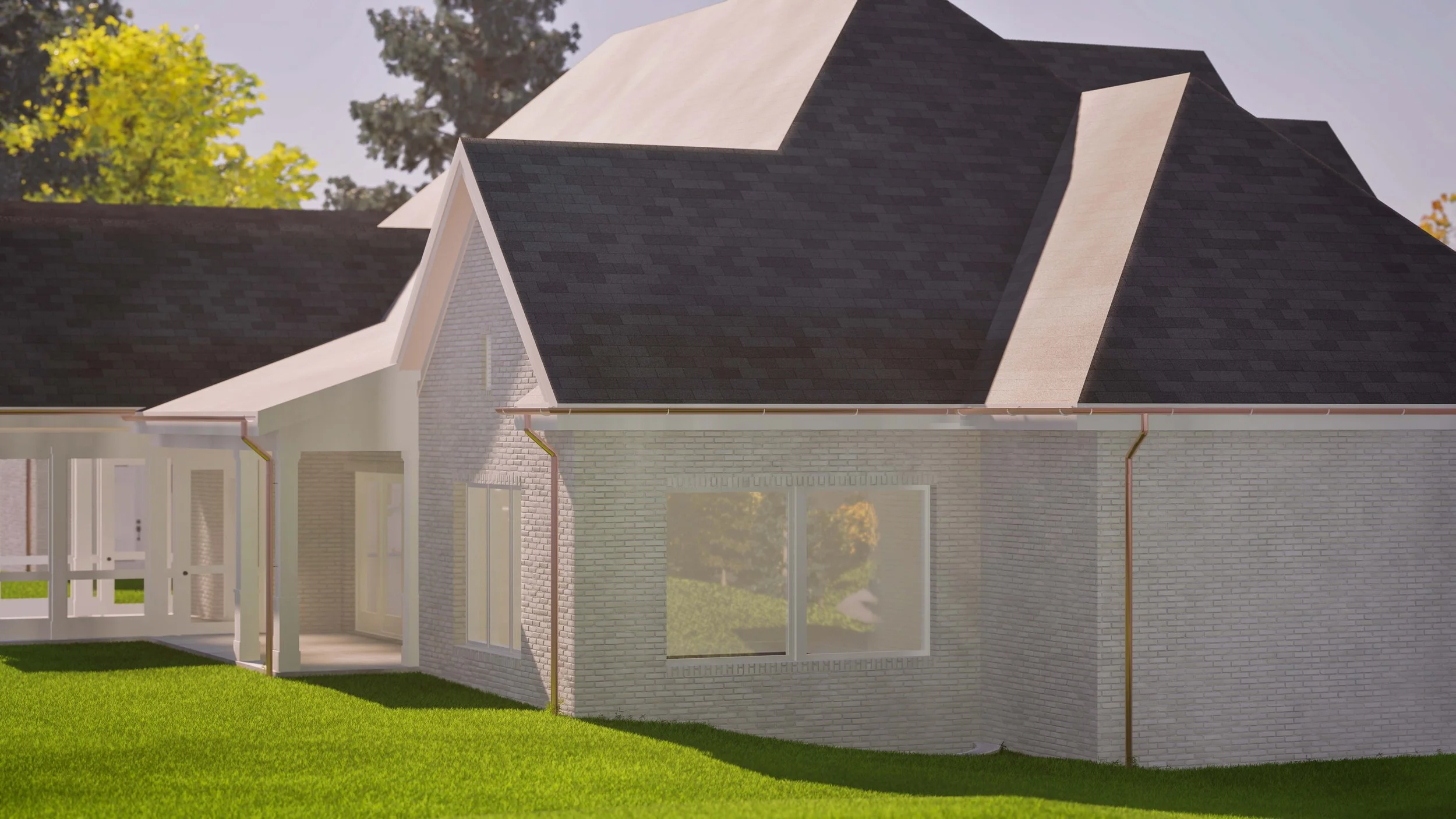
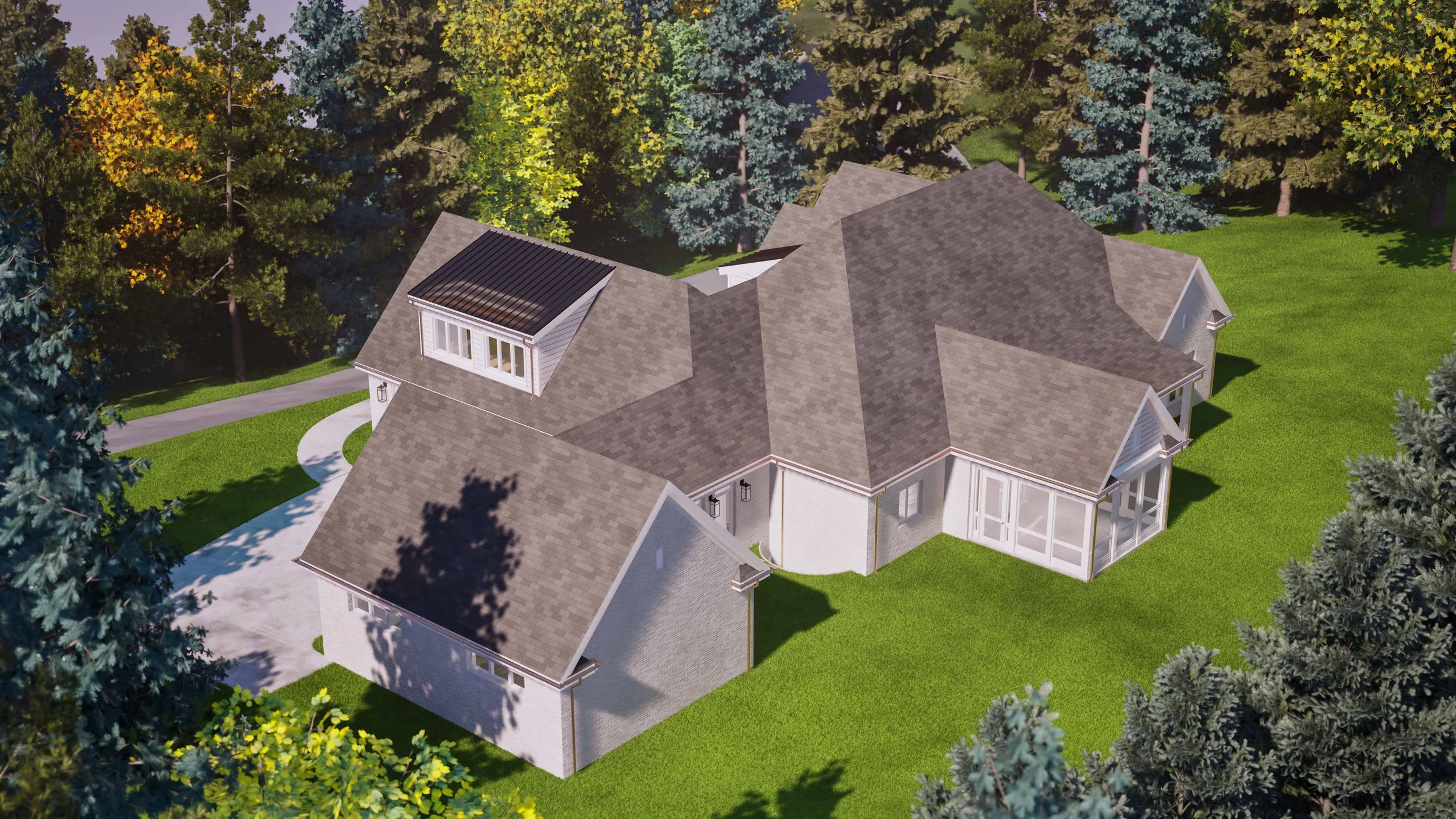
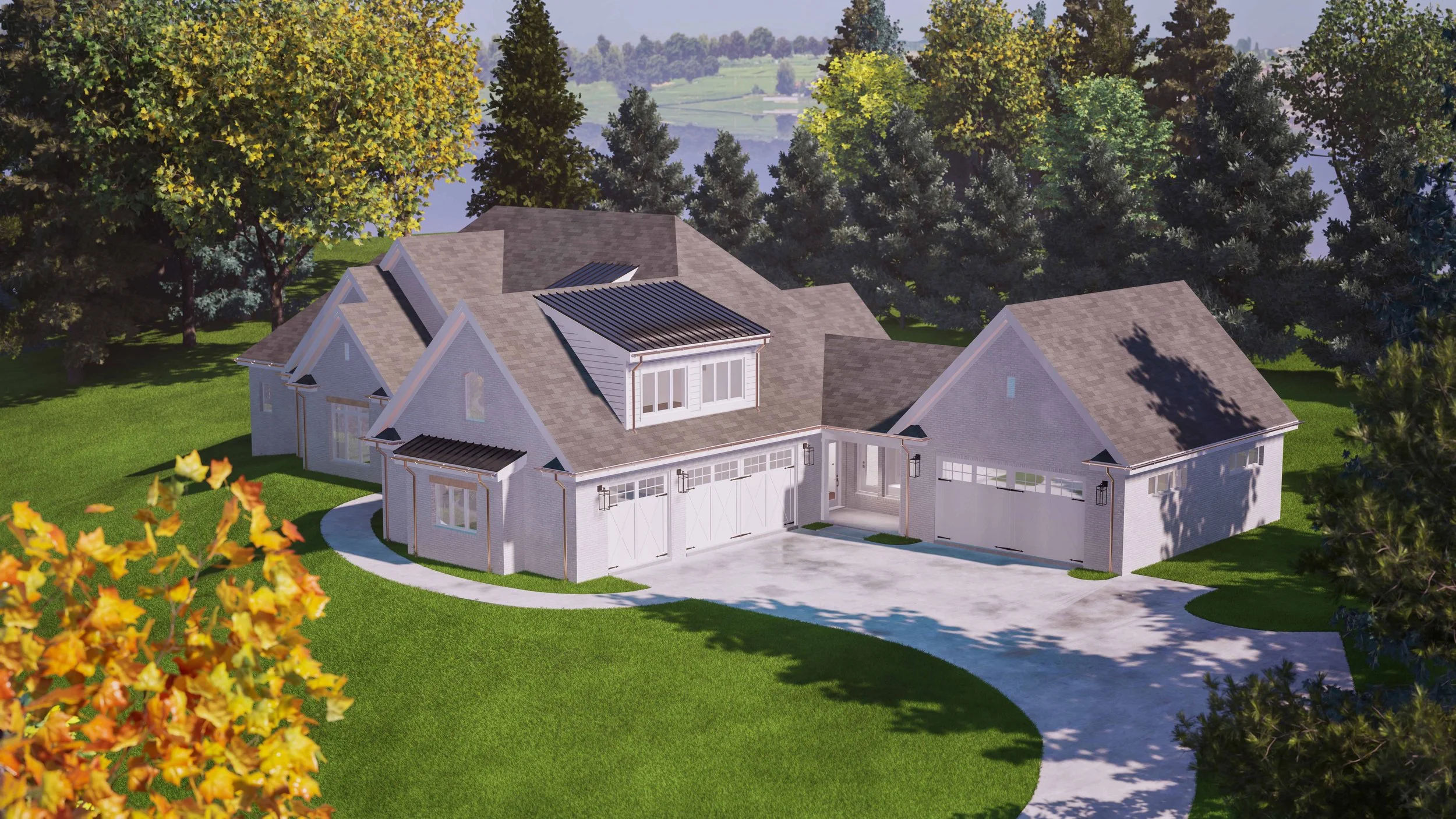
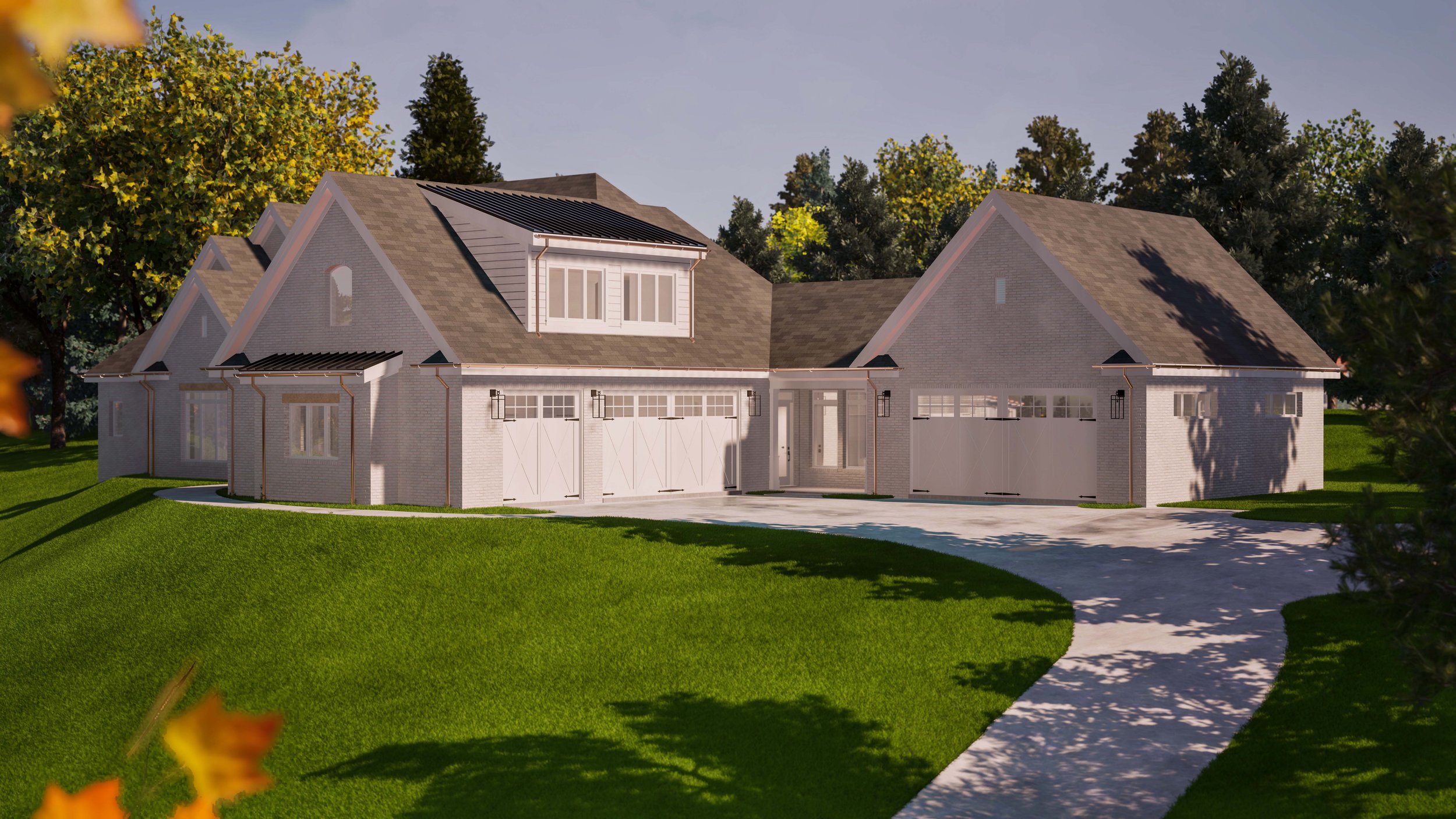
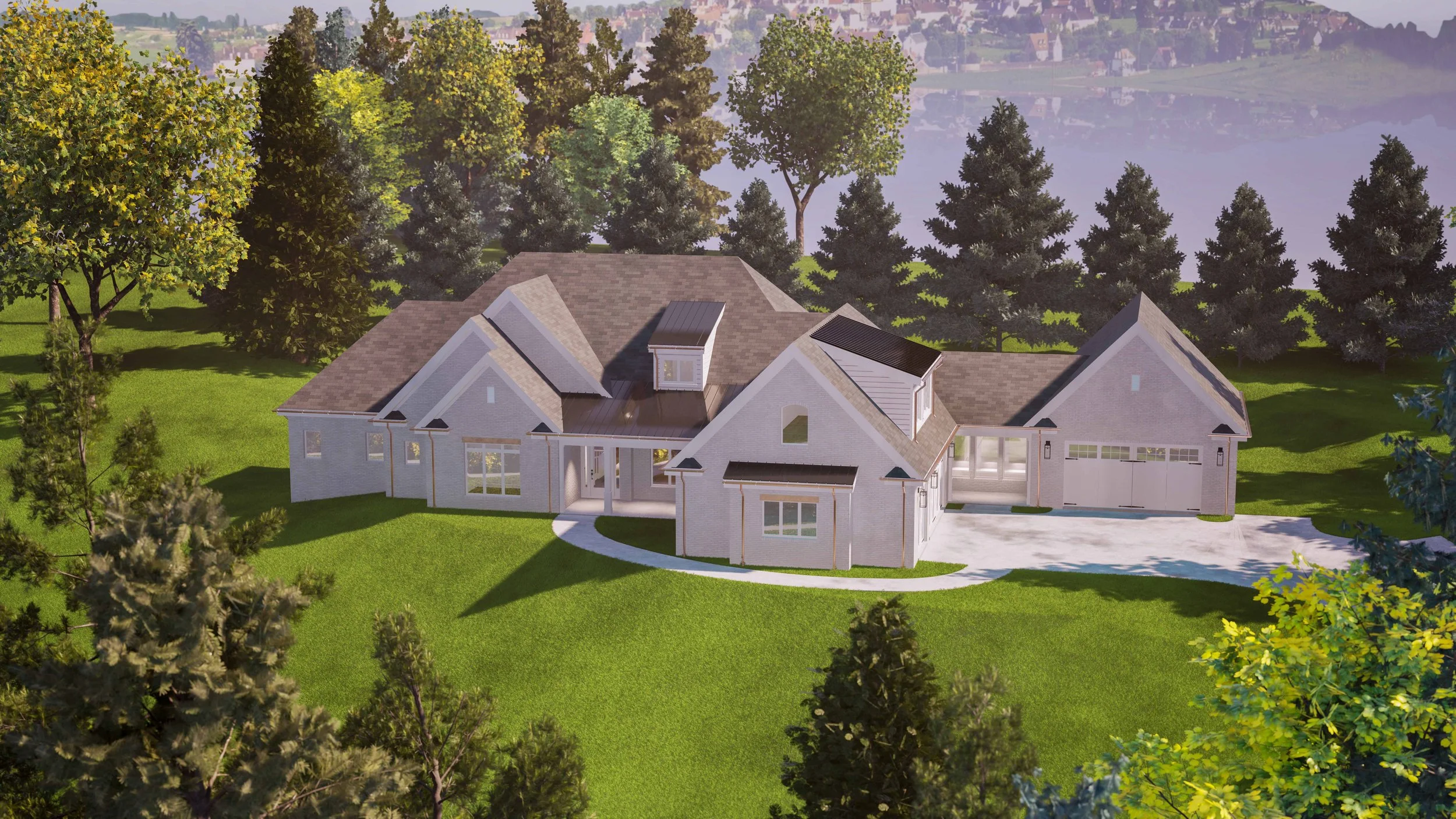
To align with the context of the upscale neighborhood while reflecting the owner's modern sensibilities, David Stumpf Architecture developed a design that bridges the gap between regional tradition and contemporary living. The massing respects the local vernacular, utilizing classic gable ends and mansard roof profiles to ground the home in its streetscape.
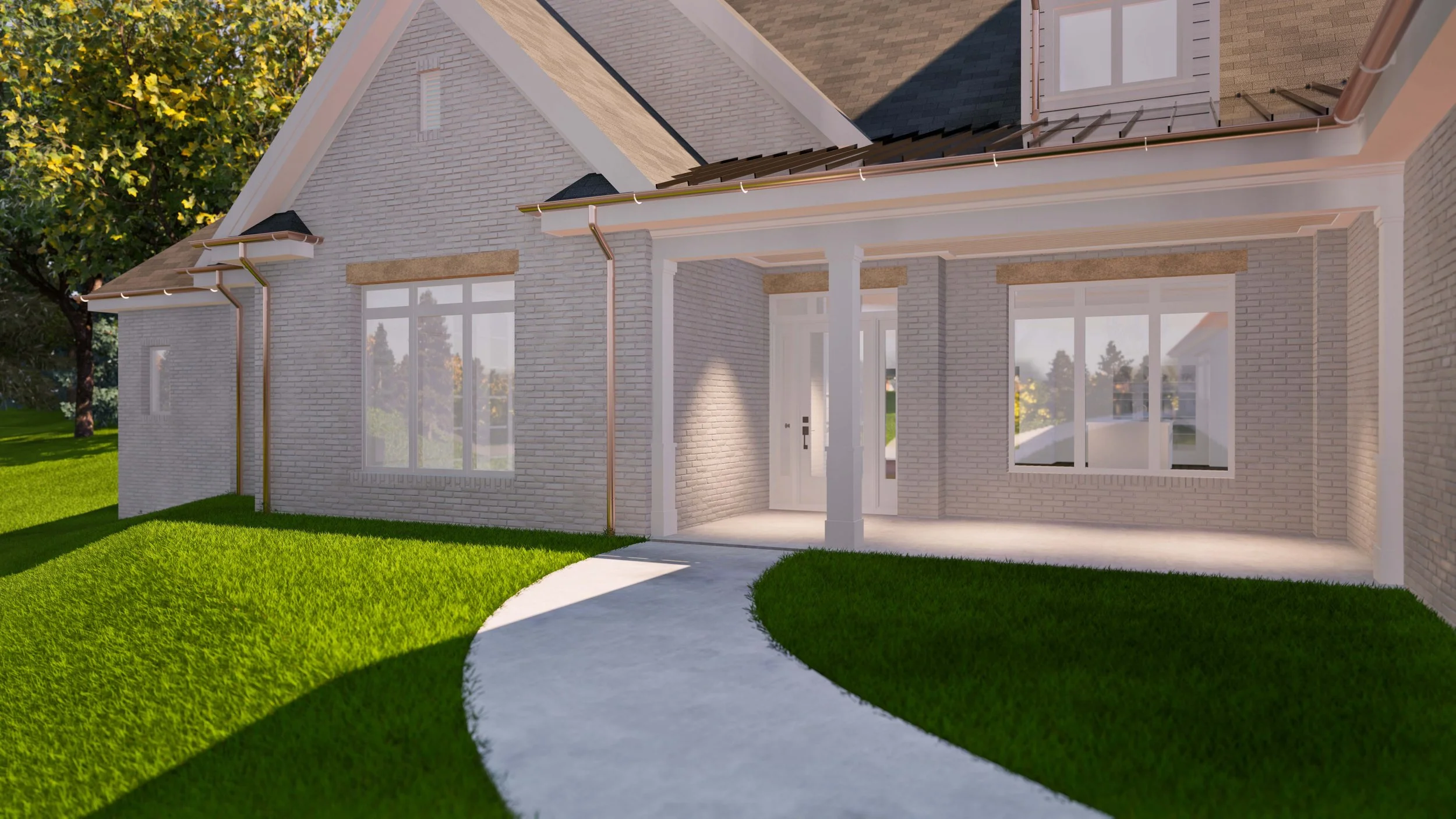
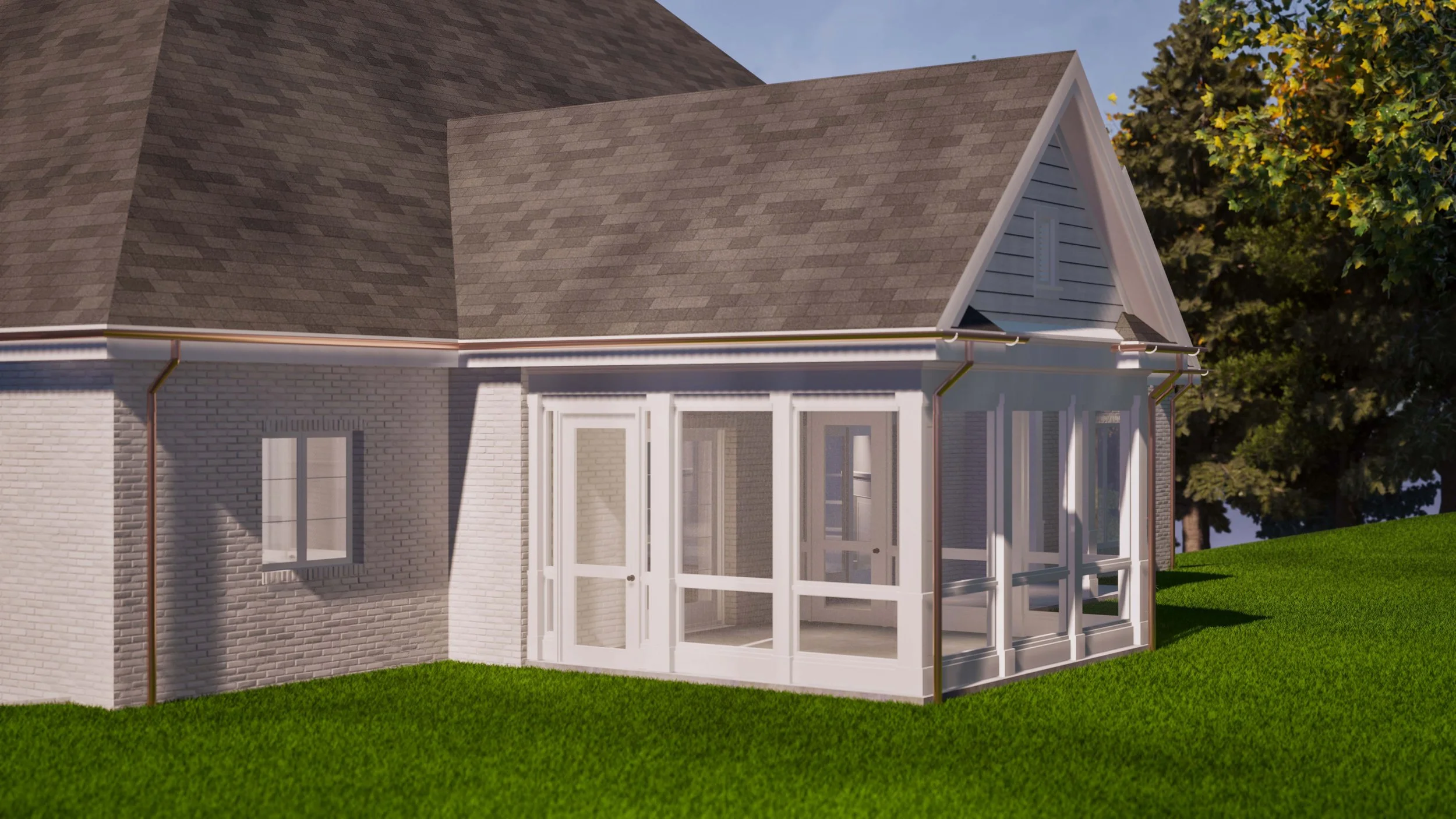
However, the material execution is distinctly fresh. The all-brick exterior features a hand-applied German Schmear finish, softening the masonry to create a timeless, textured patina. This Old World texture is juxtaposed against Andersen 400 Series windows featuring a modern, horizontal-only grid pattern—a subtle detail that signals the home's modern interior logic from the curb and accentuates the horizontal nature of the home’s ranch design.
The Automotive Wing: Living with the Collection
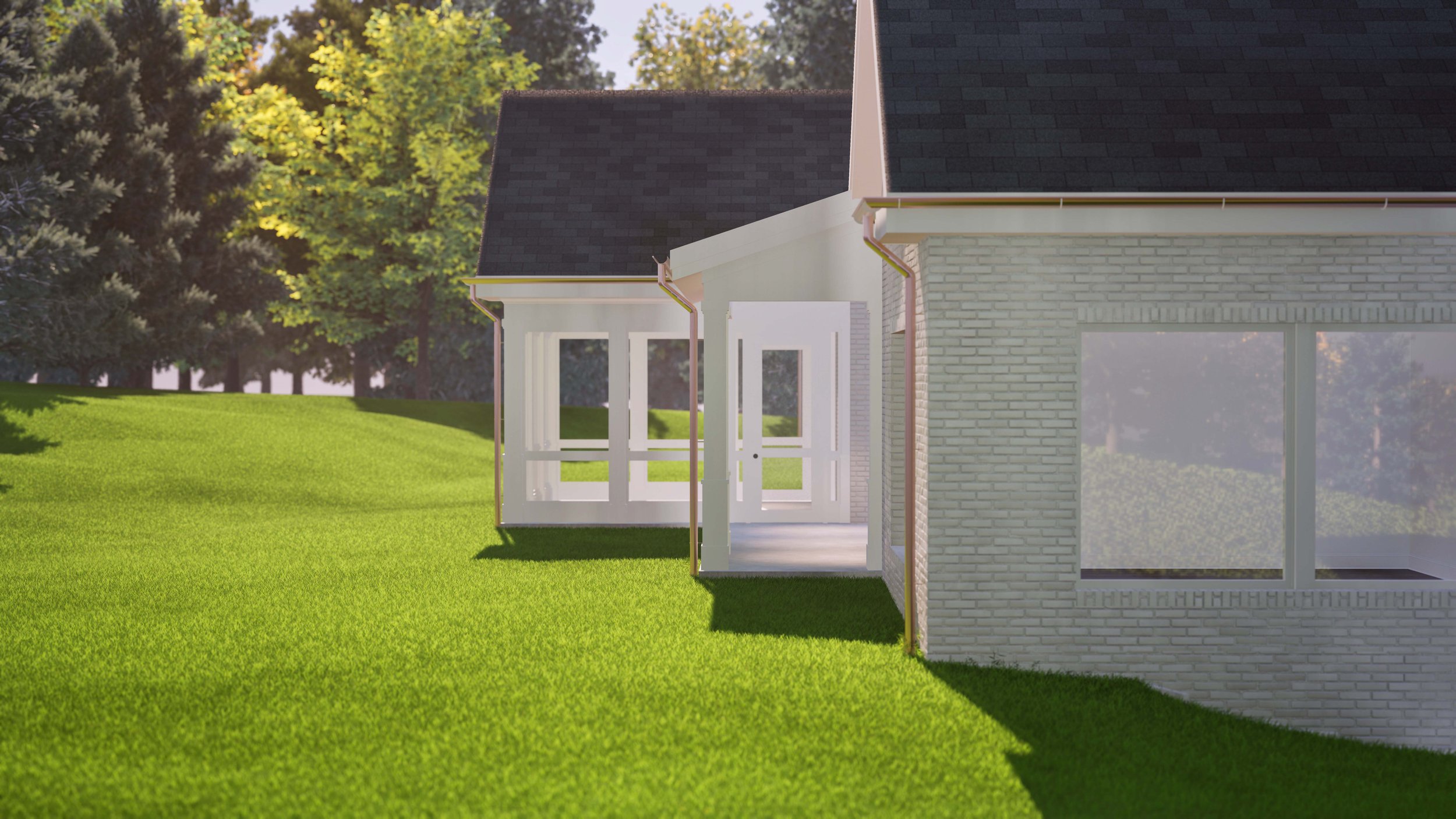
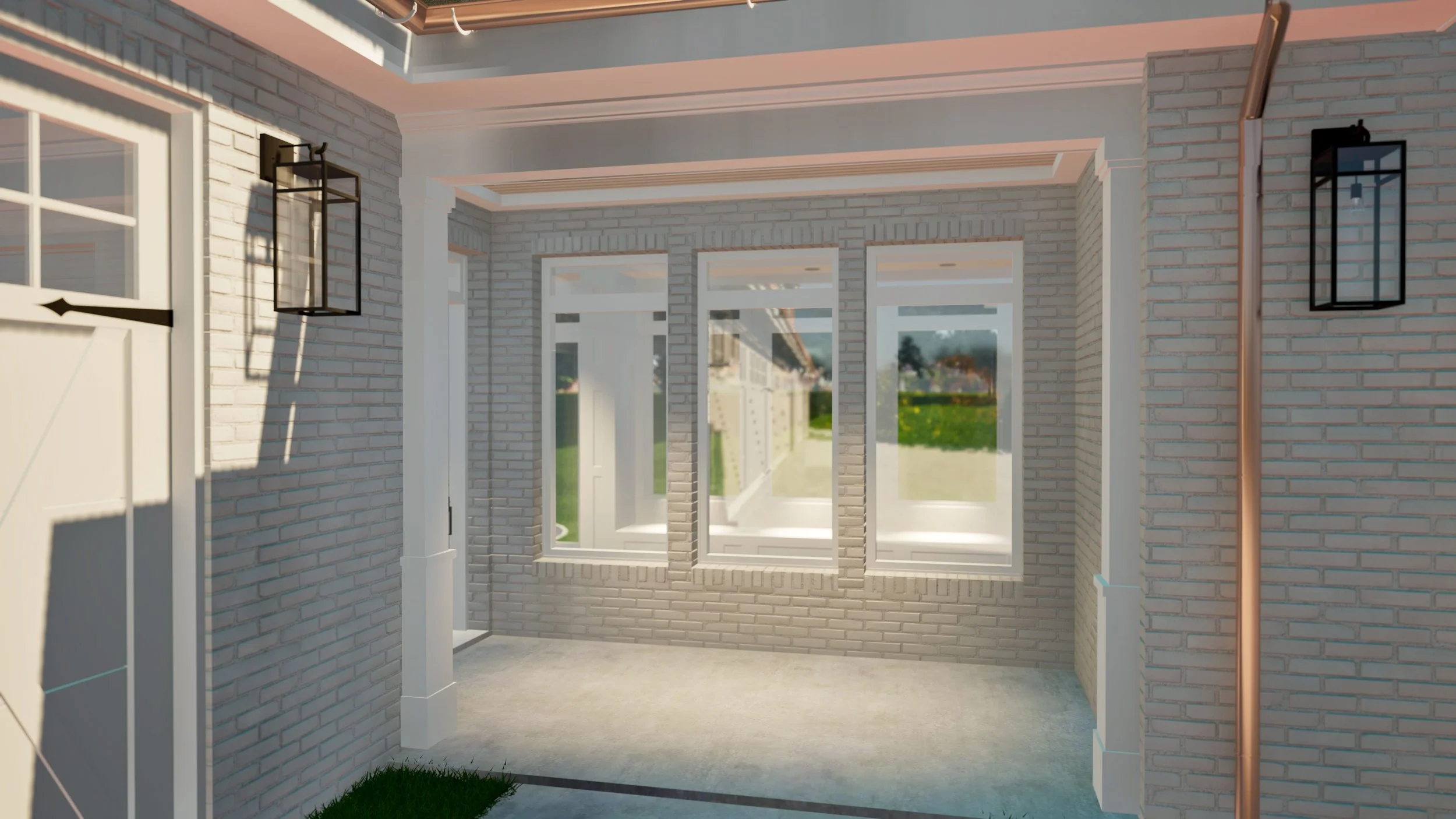
For this client, the garage is not a utility space; it is the heartbeat of the home. The 2,329 SF automotive wing is split into two zones: a standard 3-car garage for daily use and a specialized 10-Car Hobby Garage. Equipped with EV charging infrastructure and hydraulic lifts, this space allows the collection to be stored, maintained, and displayed. A glass-lined breezeway connects the hobby garage to the main house, creating a visual dialogue between the living spaces and the machinery.
Interior Geography & Heirloom Detail
Inside, the "Transitional" narrative continues. While the layout is open, the detailing is grounded in history, featuring traditionally styled millwork, heavy moldings, and raised-panel doors that provide tactile warmth against the clean architectural lines.
Rather than using partition walls, we utilized Ceiling Geography—specifically a central transverse spine with varying heights—to define the rooms. This spine directs the eye toward the Master Suite entry, where heirloom leaded glass windows (transplanted from the owner's previous home) have been surgically integrated into the new construction, blending personal history with modern design.