Highland Park Tudor: English Country Kitchen & Historic Renewal
Project Snapshot
Location: Highland Park, Pittsburgh (Historic Neighborhood)
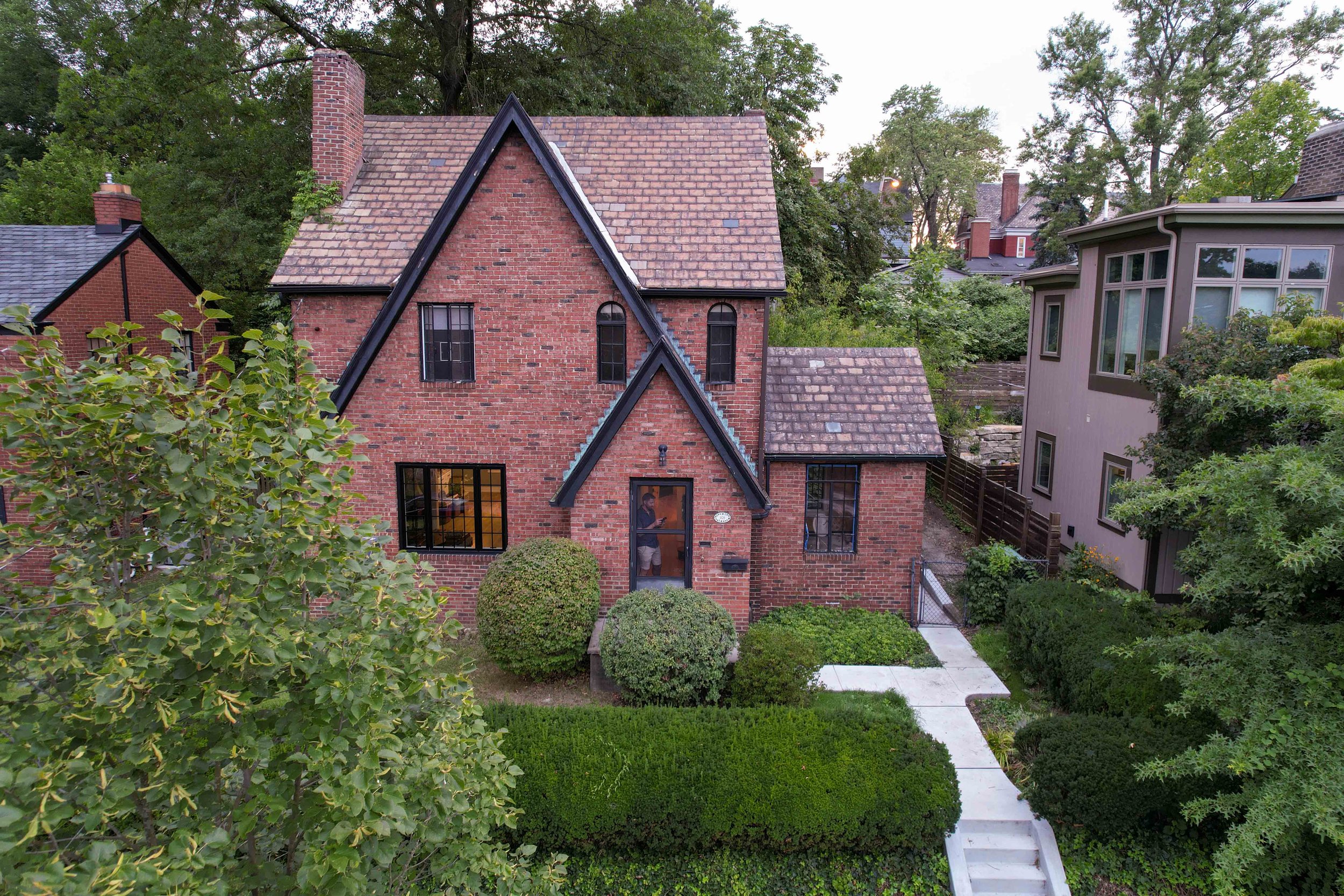
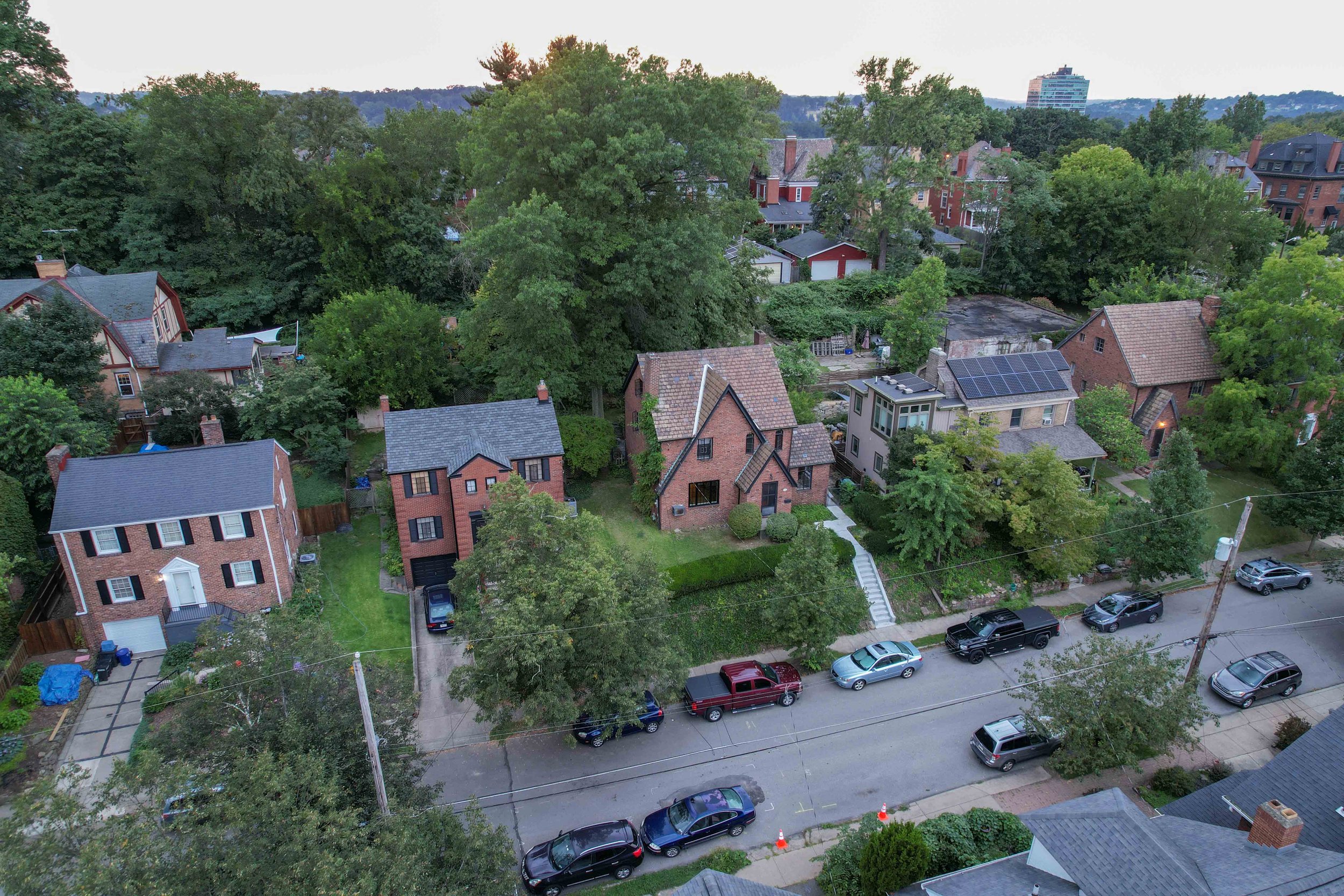
Property Type: 1928 Tudor Revival Residence
Scope: Kitchen Renovation, Structural Alterations, Custom Millwork
Design Strategy: "Controlled Connection" (Privacy vs. Open Concept)
Tech Stack: 3D Laser Scanning (Canvas) & BIM Modeling (Revit)
Project Team:
Architect: David Stumpf Architecture
Contractor: Tom Mulligan Building
Millwork: Allegheny Millwork & Lumber
Click here to see a video tour of the project, and detailed explanation the design!
Project Narrative
The Art of "Controlled Connection"
The modern impulse in renovation is often to remove all partition walls to create a fully open floor plan. However, for this 1928 Tudor Revival, David Stumpf Architecture championed a strategy of "Controlled Connection."
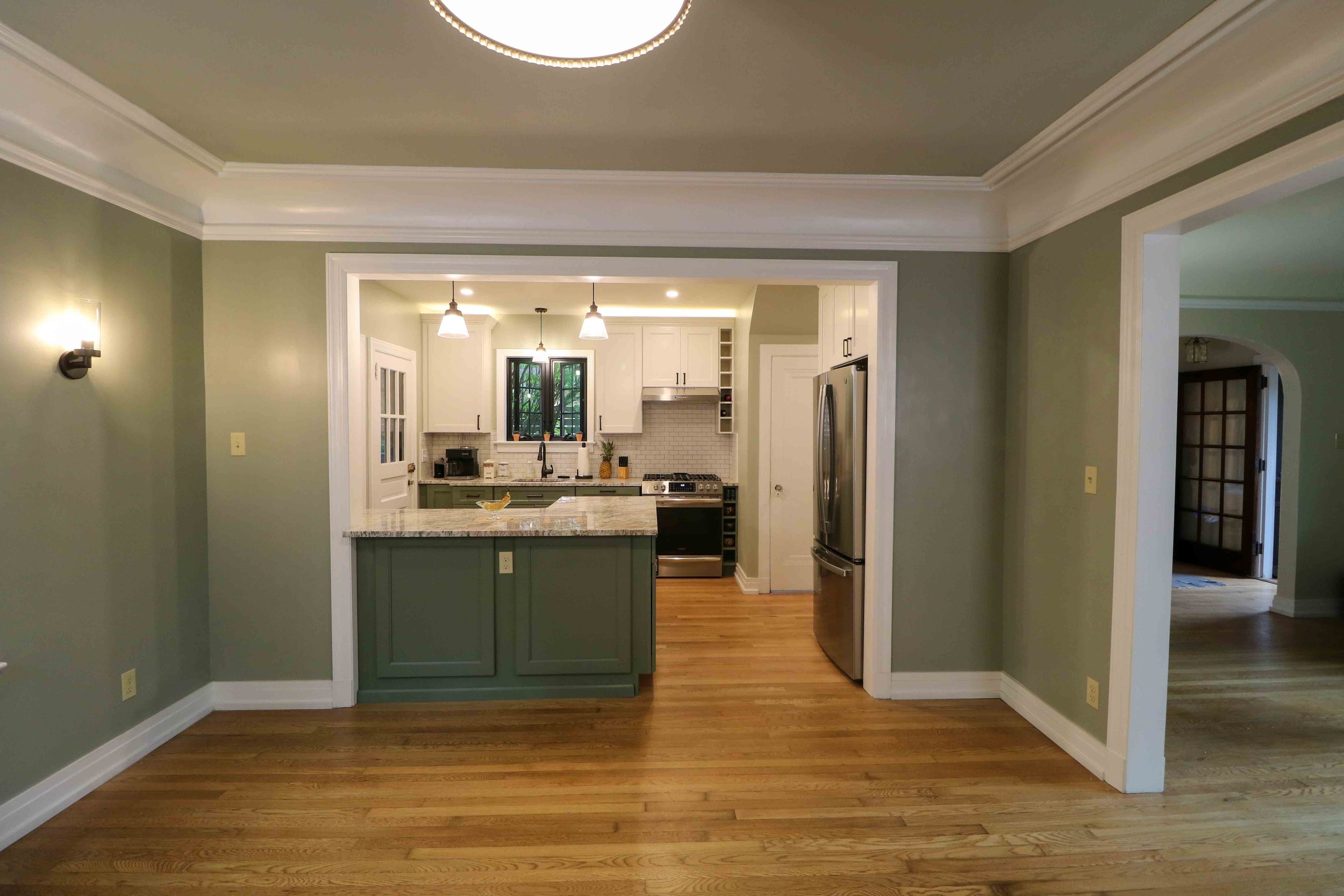
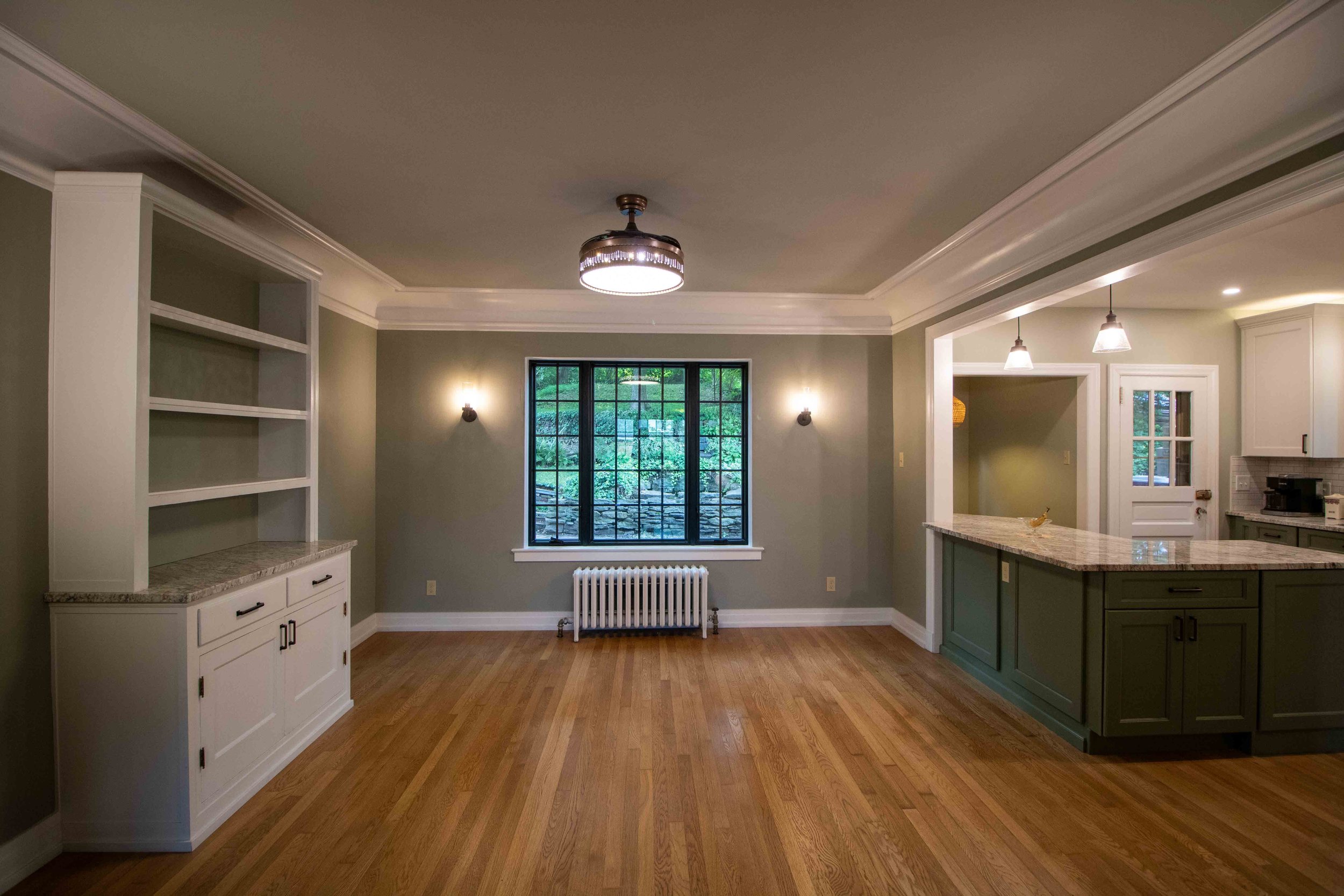
The client desired a modern culinary experience that connected to the dining area but explicitly requested not to have a fully open first floor. To achieve this, we surgically widened the passage between the living and dining rooms. This increased the visual flow and light penetration while maintaining the definition of space and acoustic privacy inherent to the home's original character.
English Country vs. American Farmhouse
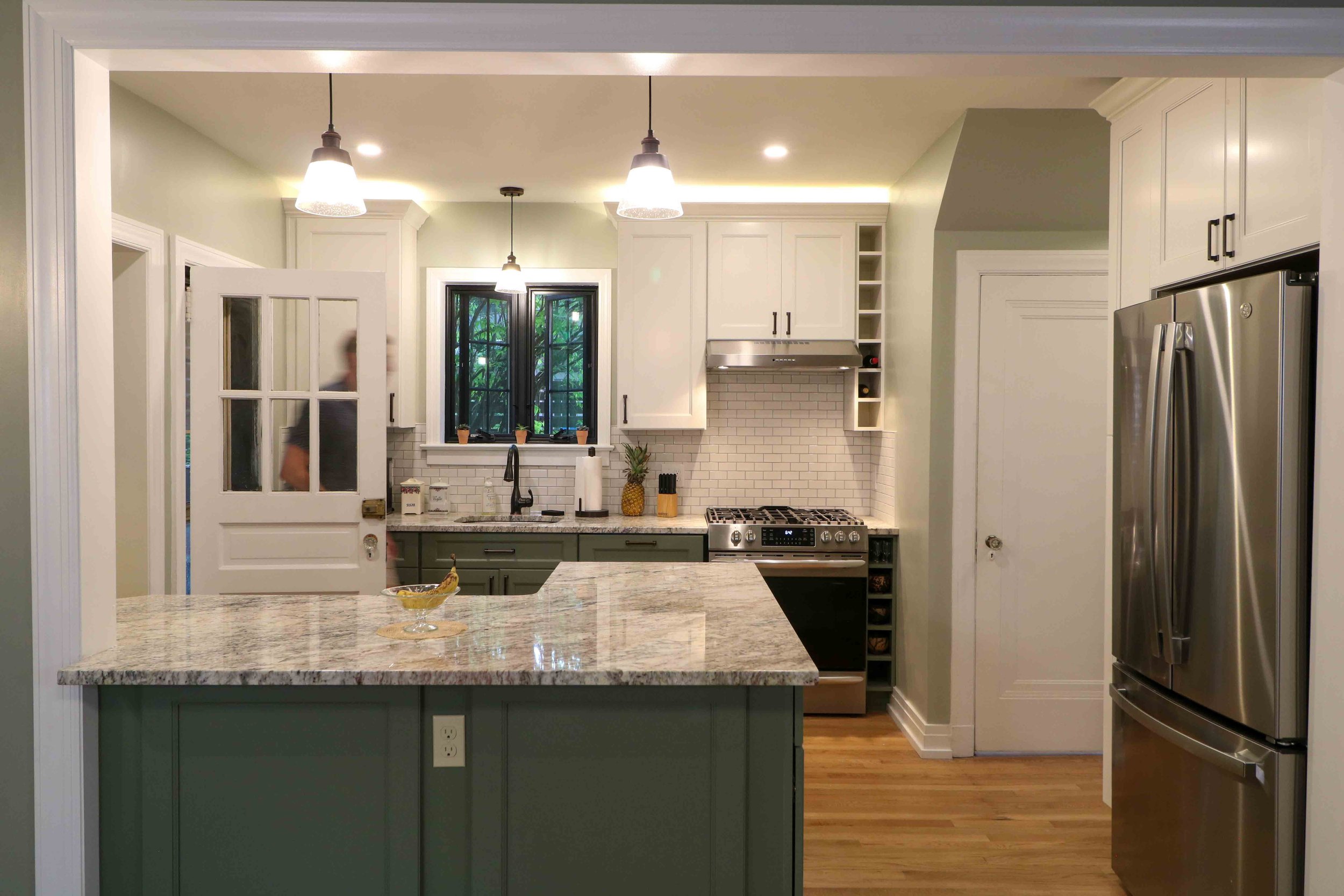
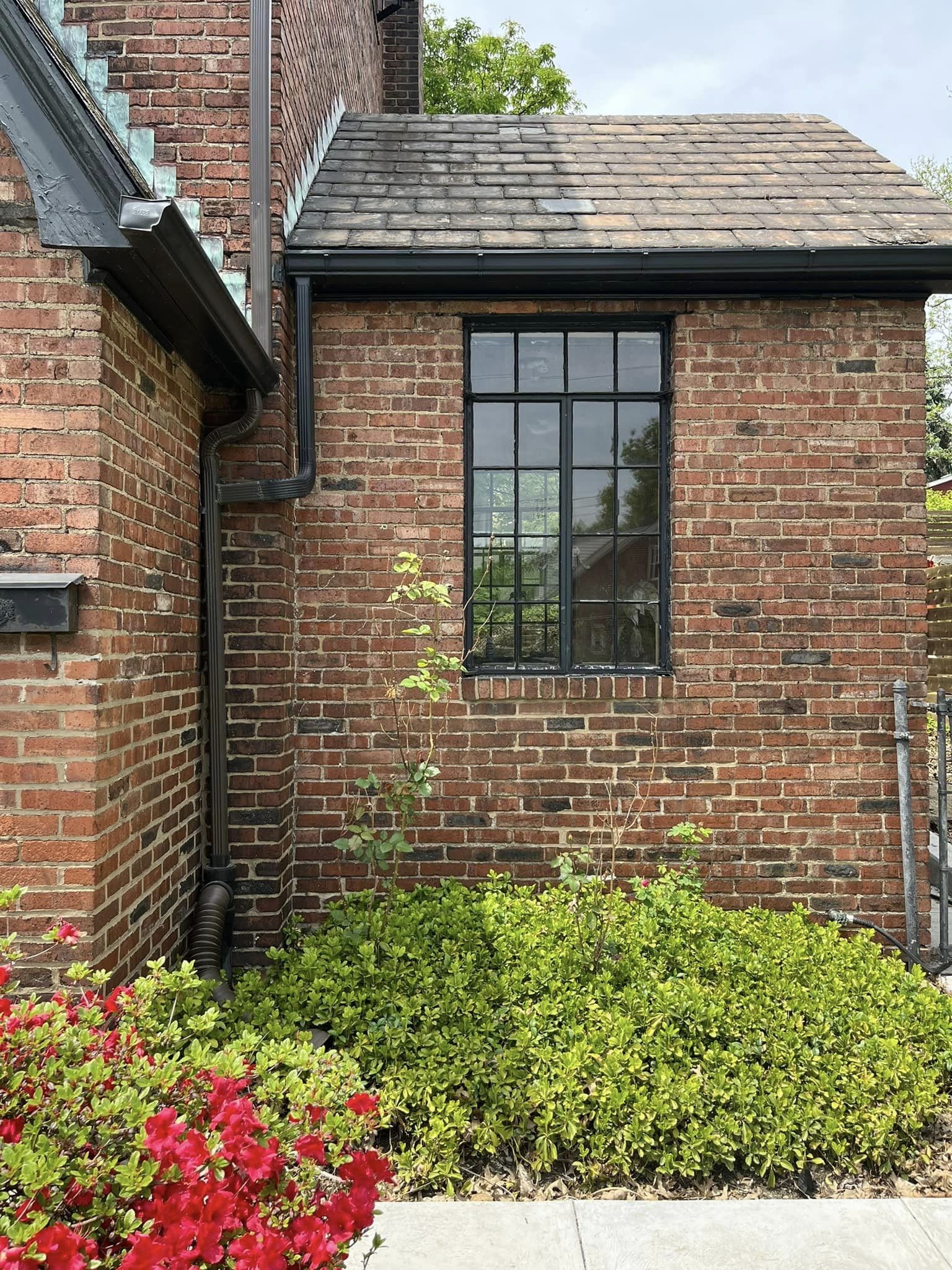
To harmonize the new kitchen with the home’s 1920s roots, we looked to the architecture's origin. Rather than defaulting to the trending "American Farmhouse" aesthetic, the design language was derived from Elegant English Country Kitchens.
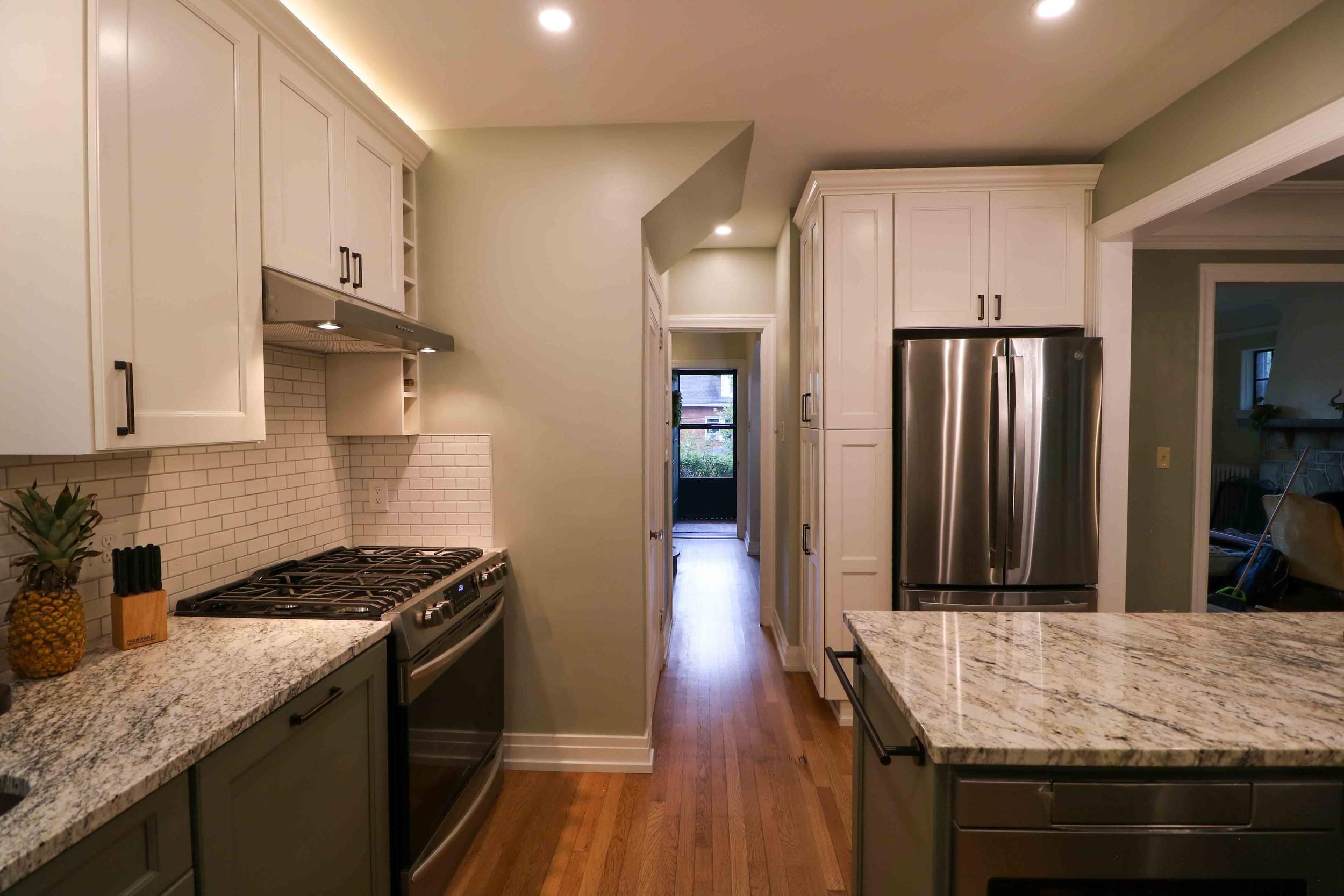
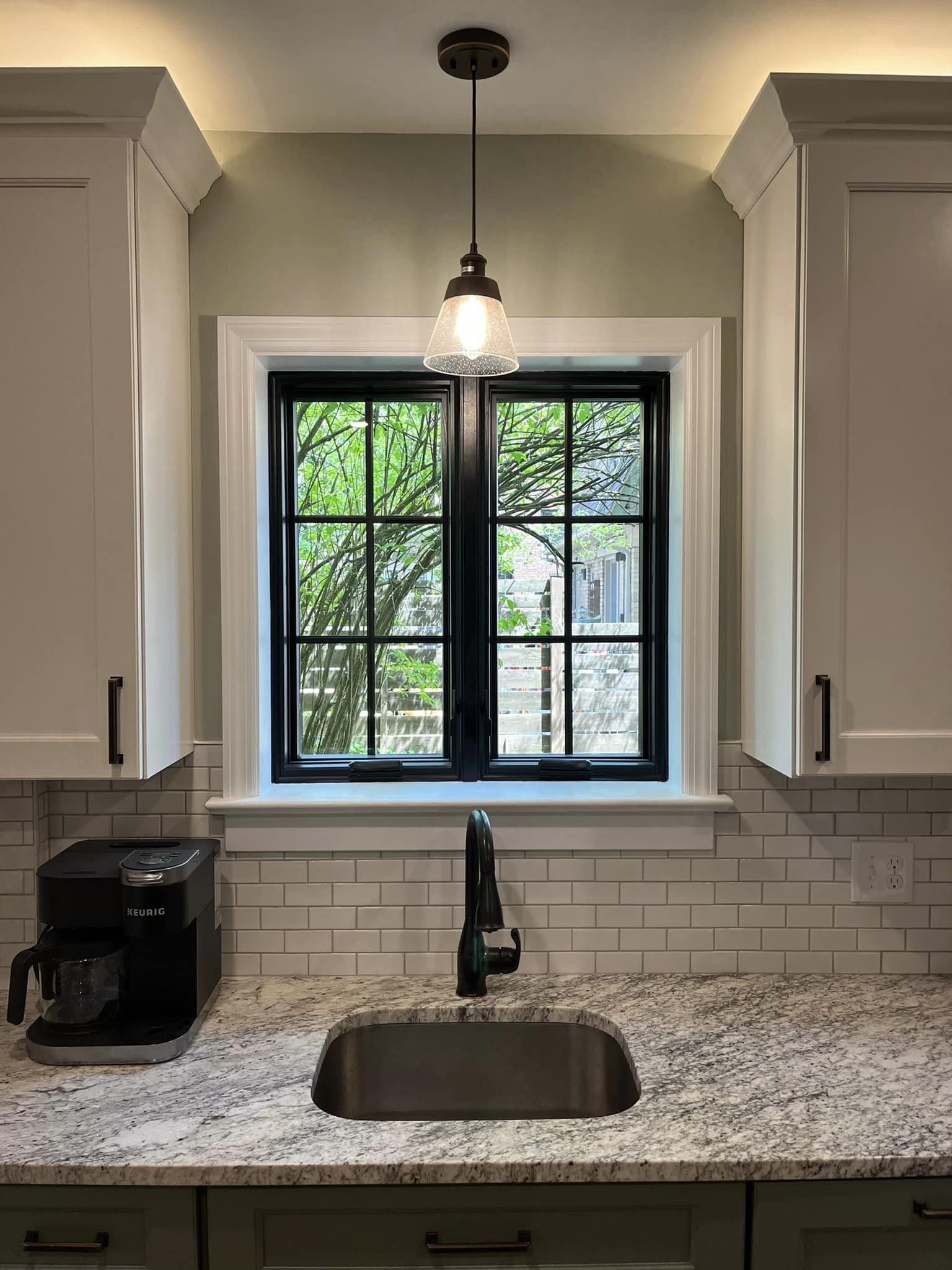
This stylistic choice bridges the gap between the Tudor exterior and the modern interior functions. The layout was opened entirely to the dining room to facilitate informal entertaining, but the finishes—rich textures, subtle detailing, and robust materials—remain grounded in the home's English heritage.
Restoring the Narrative through Millwork
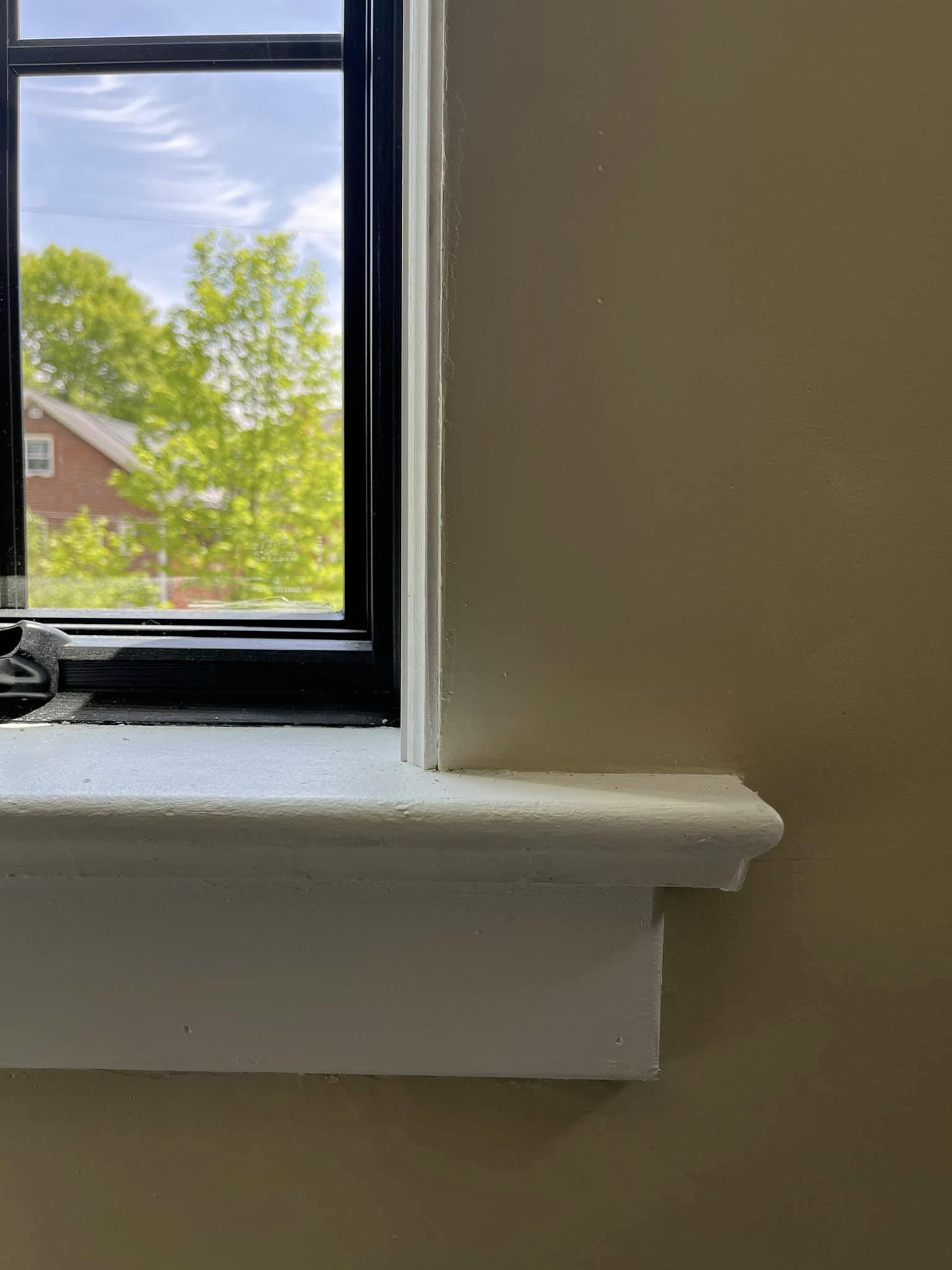
A successful renovation often involves adding back what time has stripped away. In collaboration with the contractor (Tom Mulligan Building), we introduced custom millwork that ties the new interventions back to the Tudor roots. These architectural details provide a level of character and depth that had been lacking, making the renovation feel as though it has always been part of the home’s story.