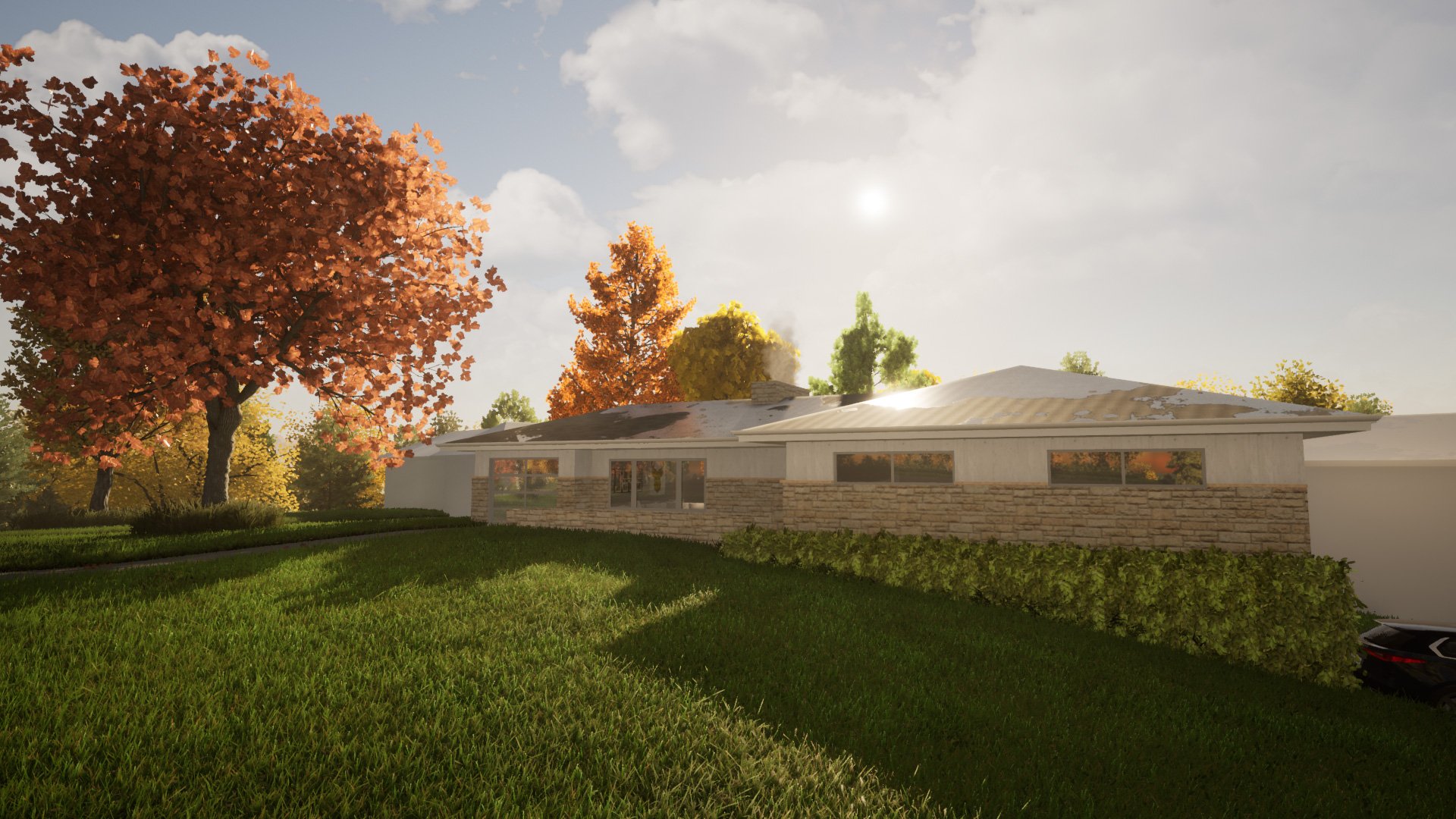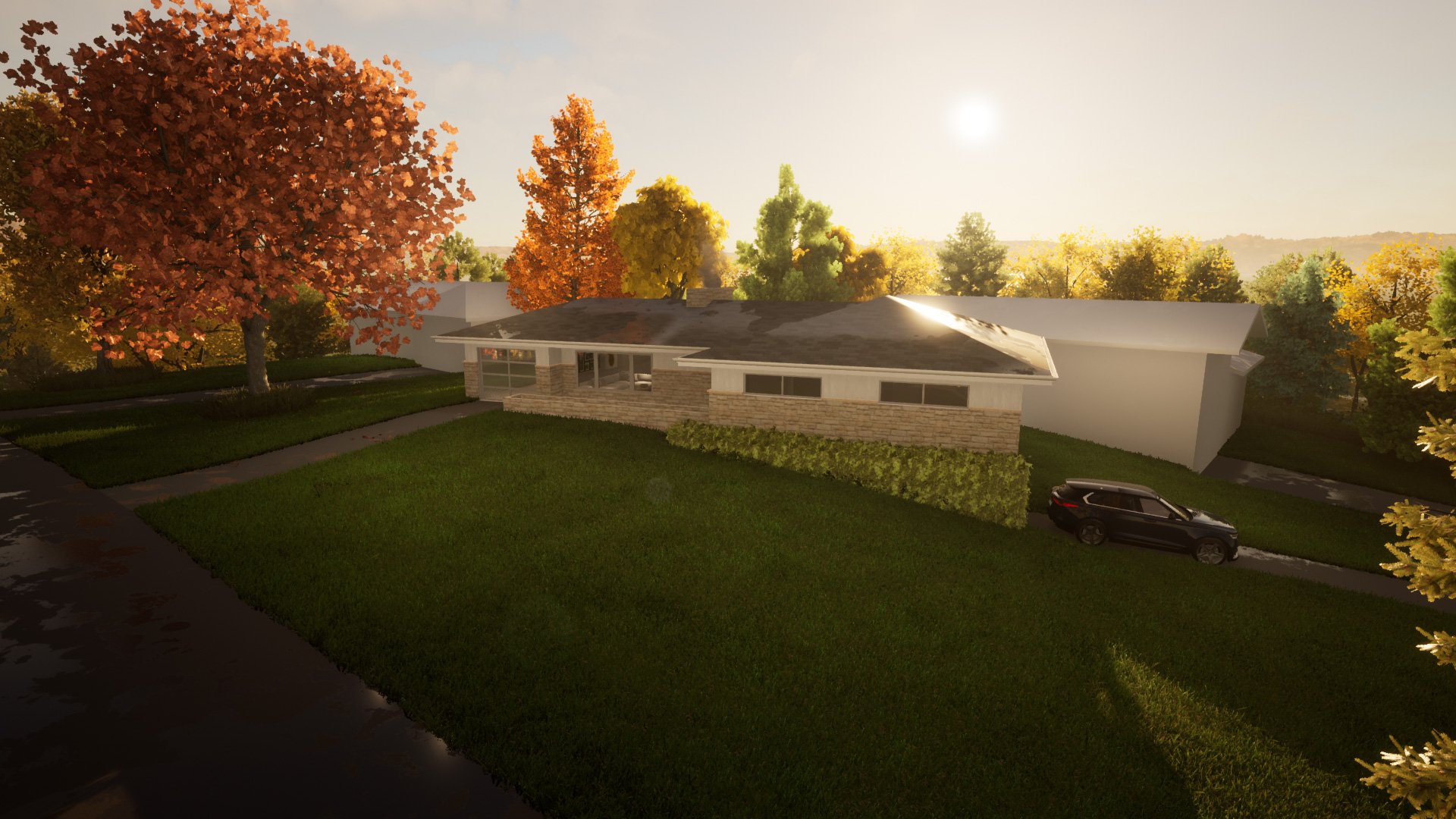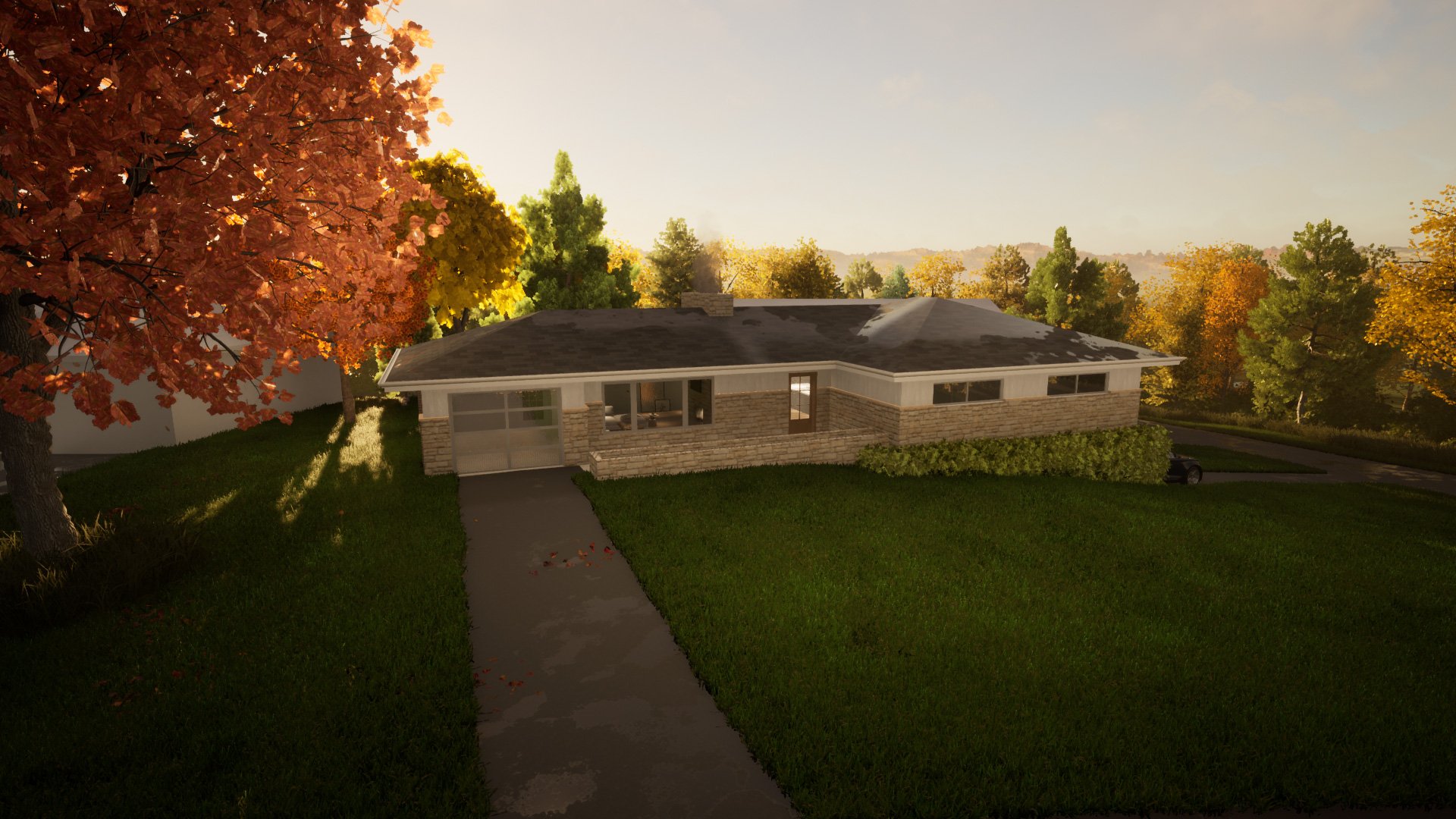
The Blackberry Residence: Mid-Century Revival & The "Anti-Flip"
Project Snapshot
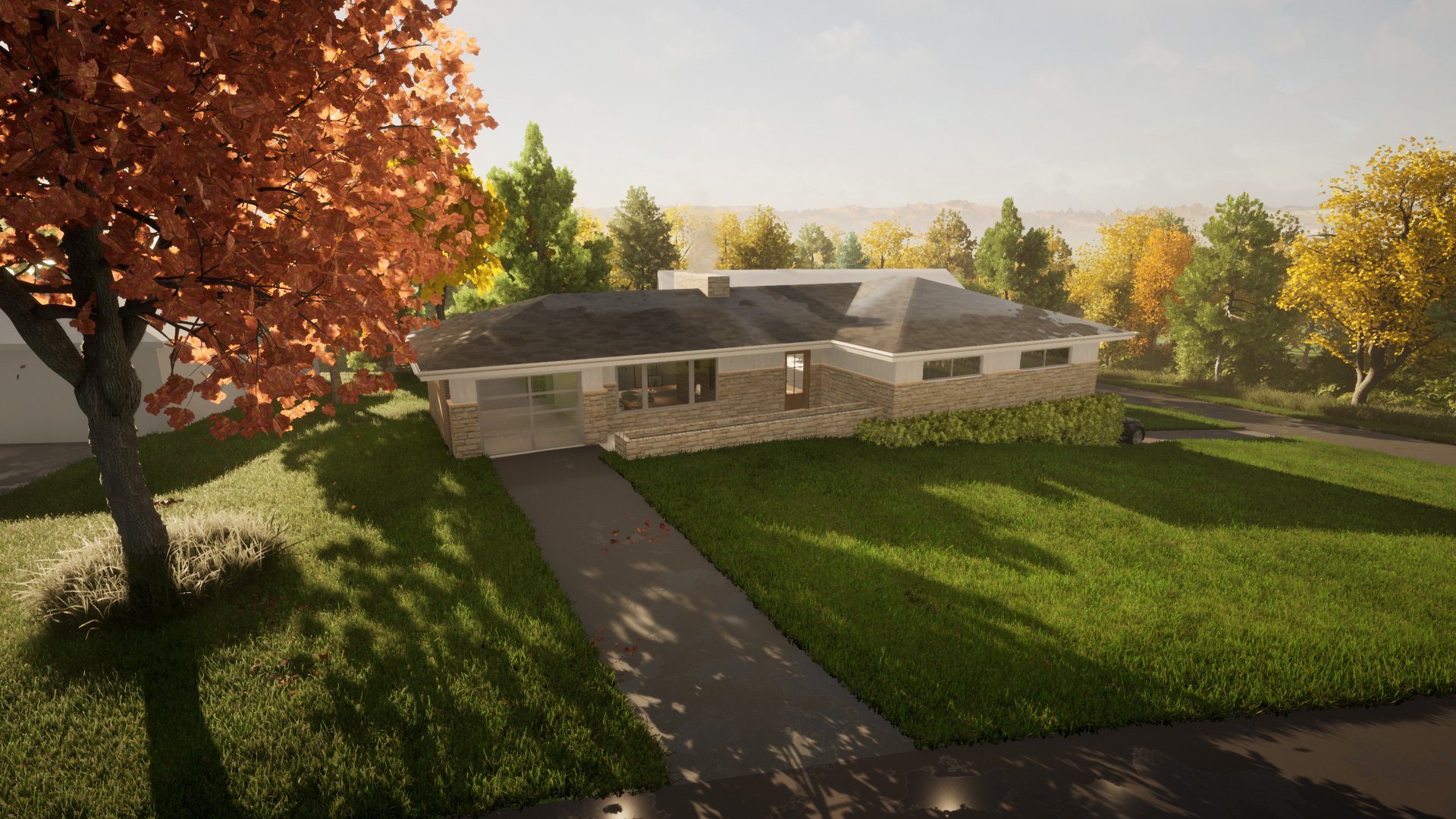
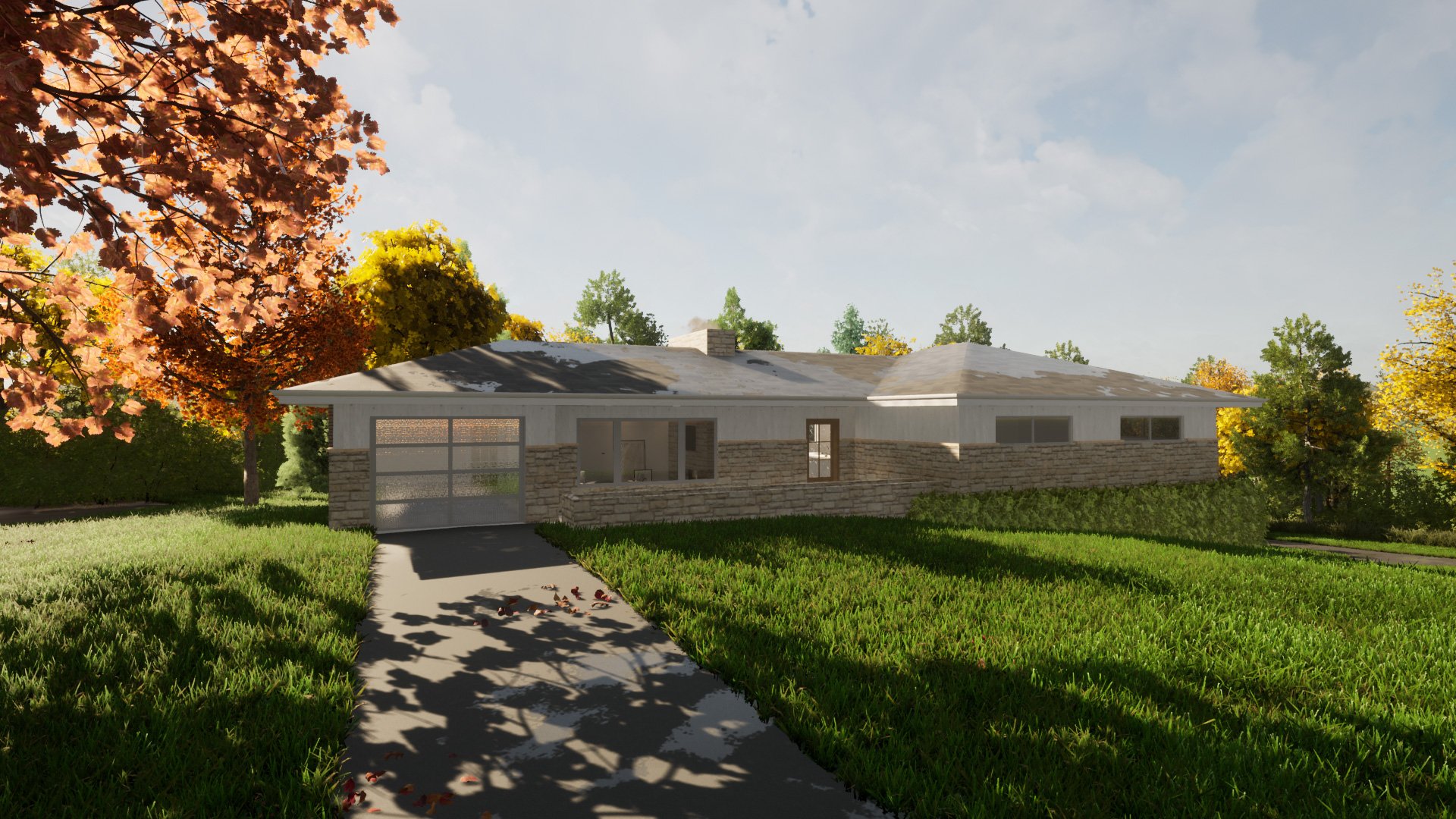
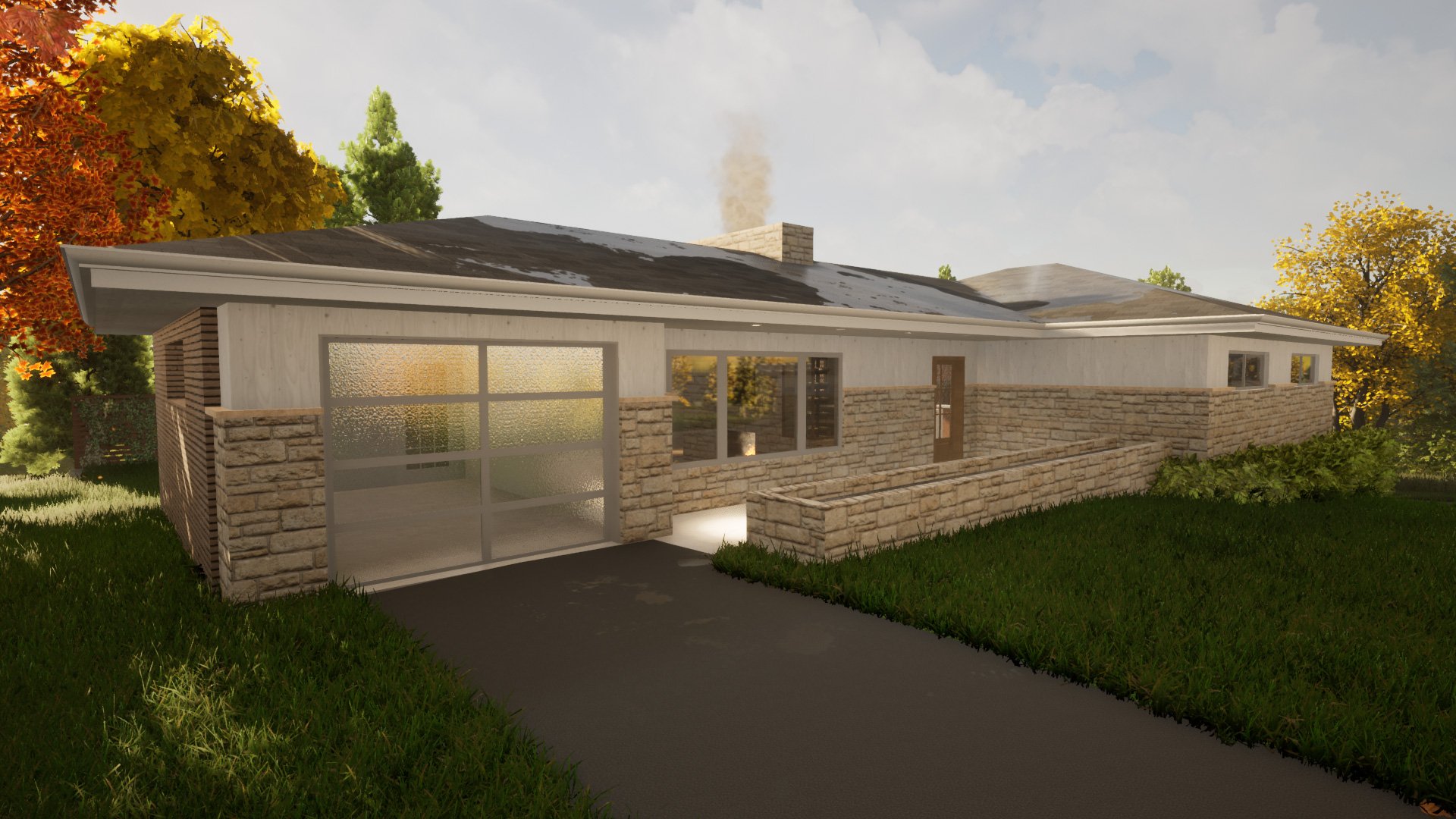
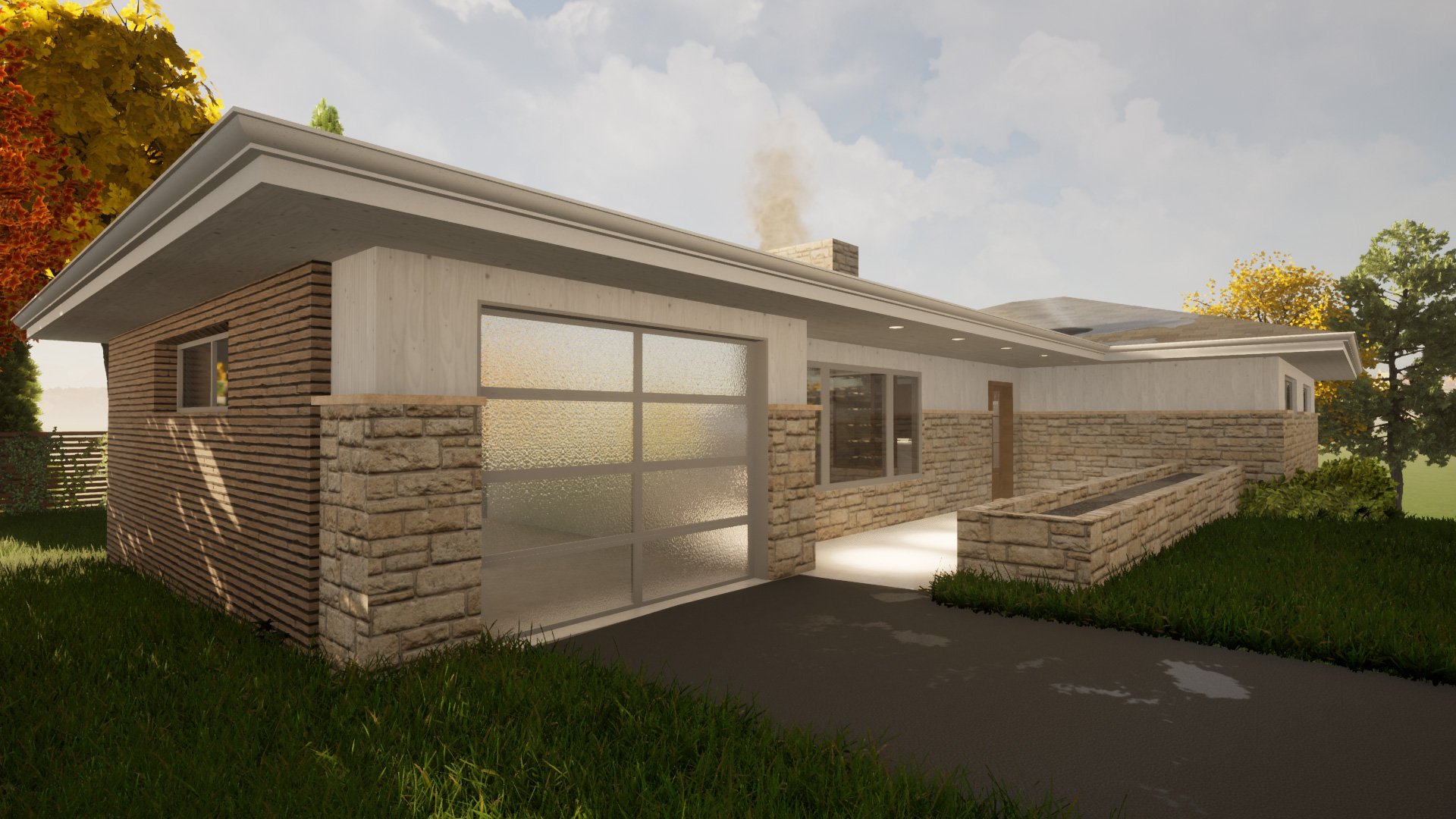
Property Type: 1956 Mid-Century Ranch Renovation
Project Ethos: "The Anti-Flip" (Speculative Restoration)
Scope: Full Gut Renovation / Floor Plan Reconfiguration
Design Strategy: Quality-First Reprogramming vs. Cosmetic Resurfacing
Key Features: Sunken Living Room, Master Suite Conversion, Terraced Landscape
Architect: David Stumpf Architecture (David Stumpf, AIA)
Project Narrative
The "Anti-Flip" Philosophy
In a real estate market saturated with "flips"—properties subjected to superficial cosmetic updates to turn a quick profit—The Blackberry Residence stands as a counter-argument. We define this project as an "Anti-Flip."
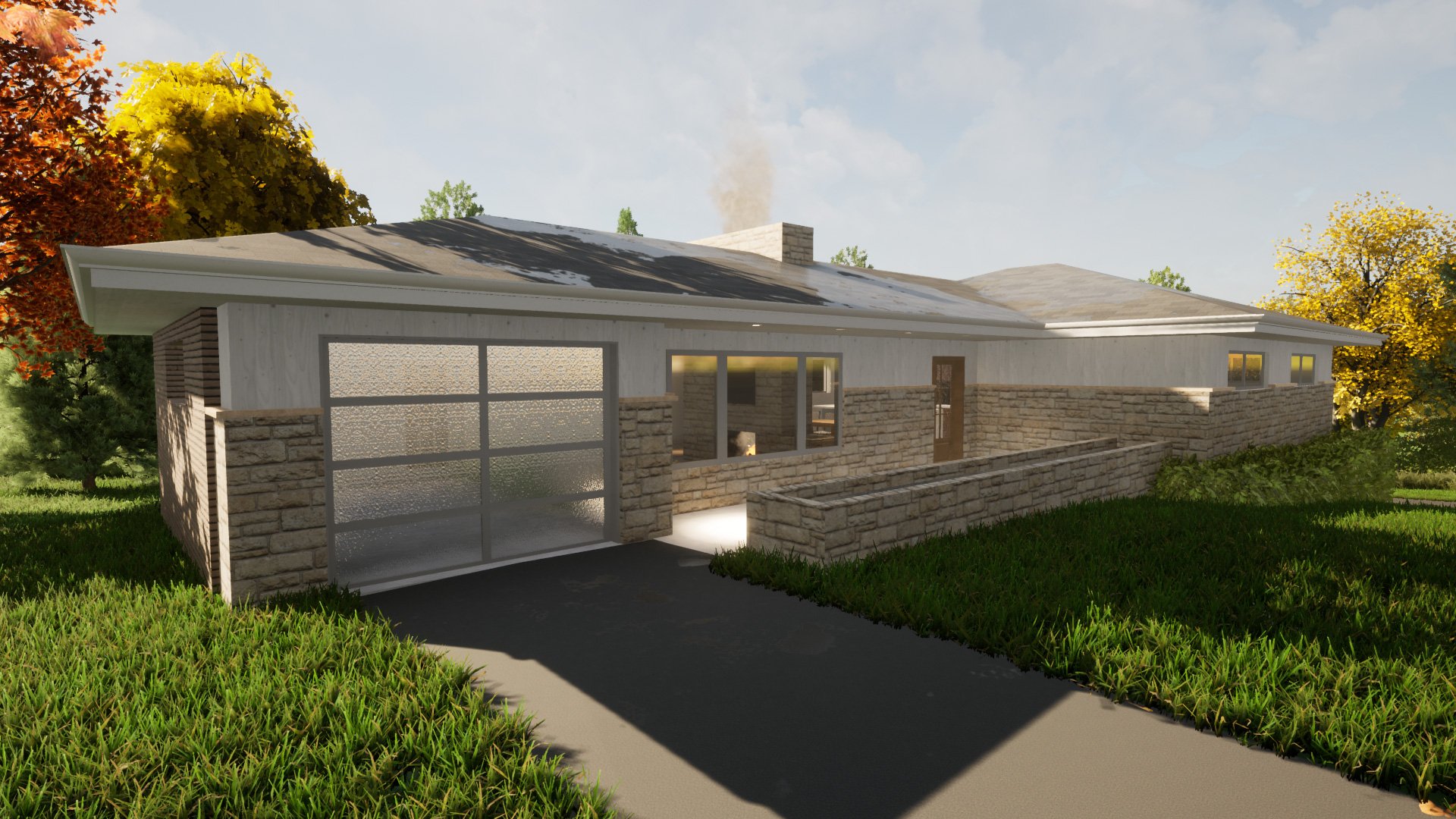
Designed for resale but executed with the rigor of a custom commission, David Stumpf Architecture approached this abandoned 1956 ranch with a commitment to integrity. We rejected the "lipstick on a pig" methodology. Instead of covering up defects, we performed a comprehensive architectural intervention, prioritizing long-term build quality, spatial logic, and material honesty over quick fixes.
Strategic Reprogramming: Value Through Reduction
The original floor plan featured four cramped bedrooms and two dated bathrooms—a layout that maximized room count but minimized livability. We executed a strategic reduction to unlock the home's true value. By converting one of the bedrooms, we created a dedicated Master Suite, complete with a walk-in closet and private ensuite bath. This move transformed the home from a dated tract house into a sophisticated family residence, proving that a smart 3-bedroom layout holds more market value than a compromised 4-bedroom one.
Mid-Century Roots & Transitional Design
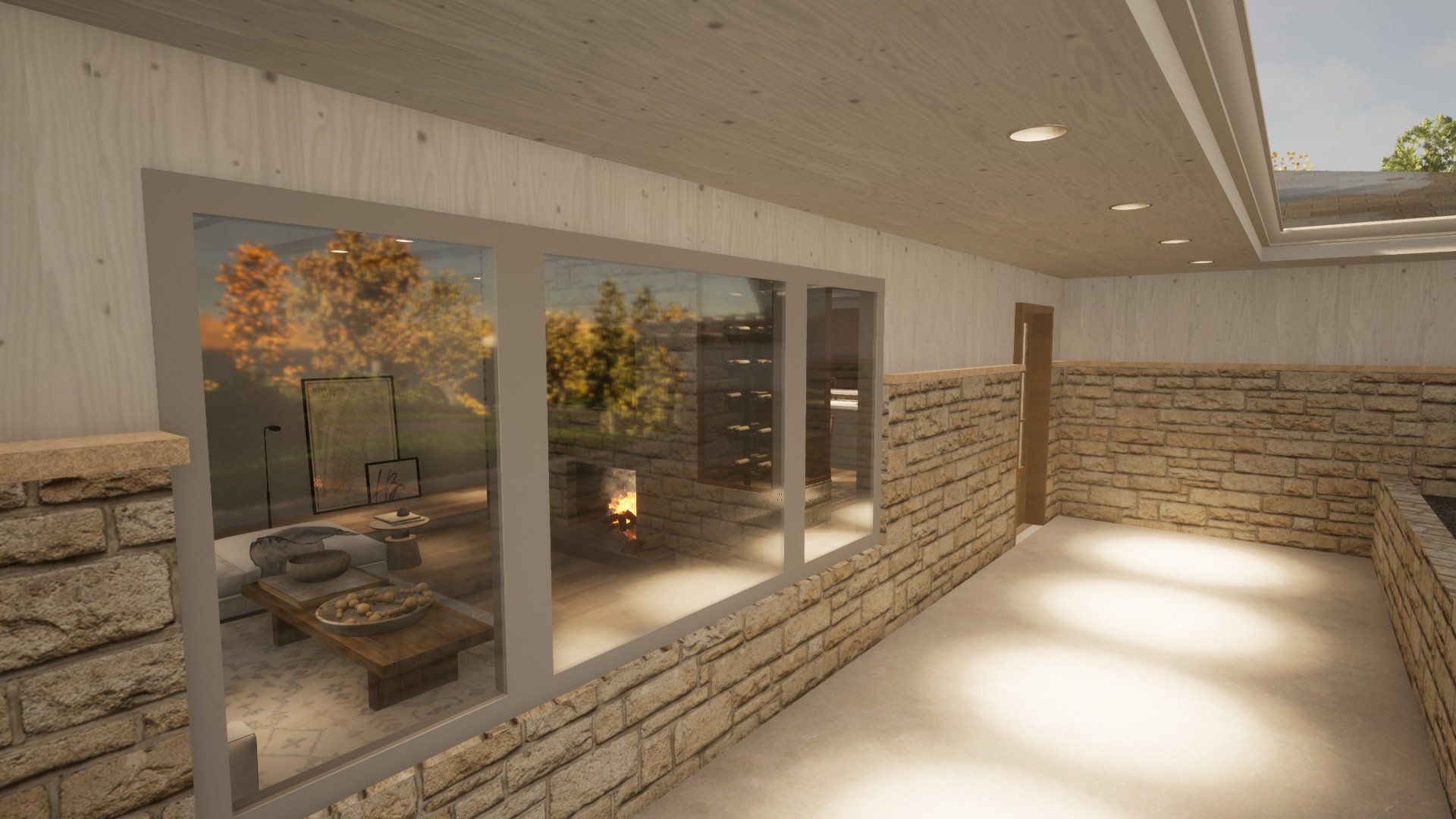
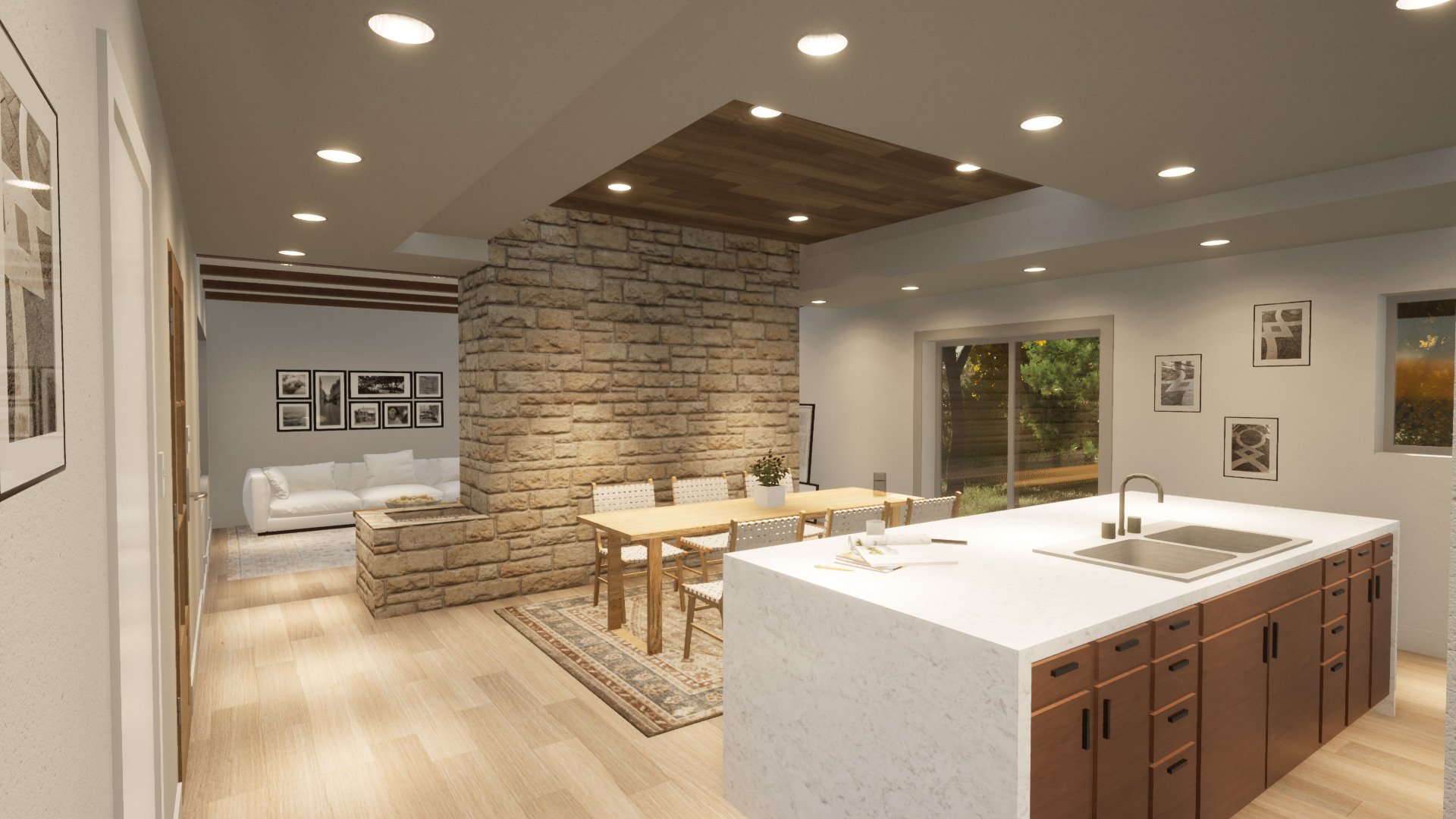
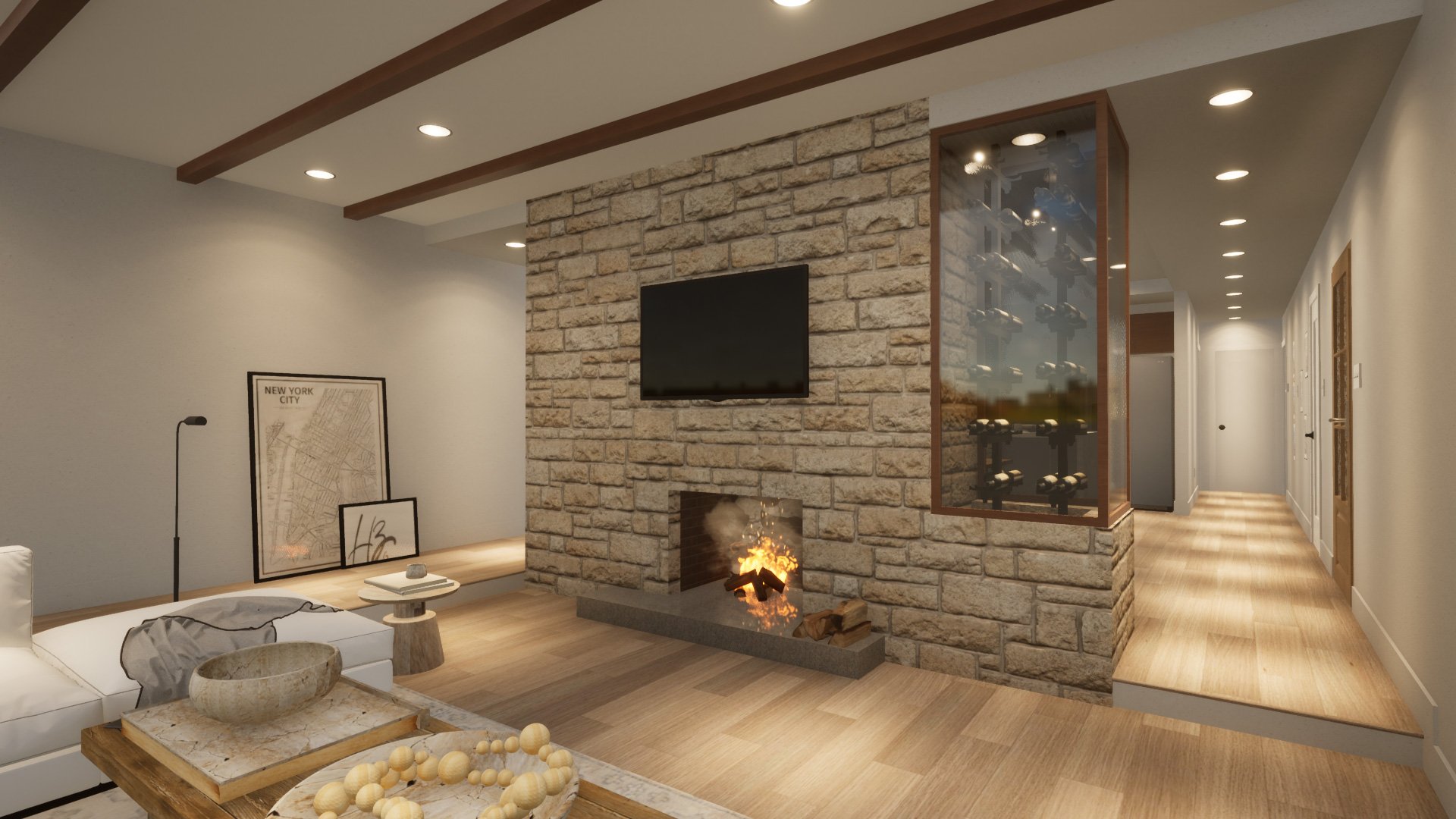
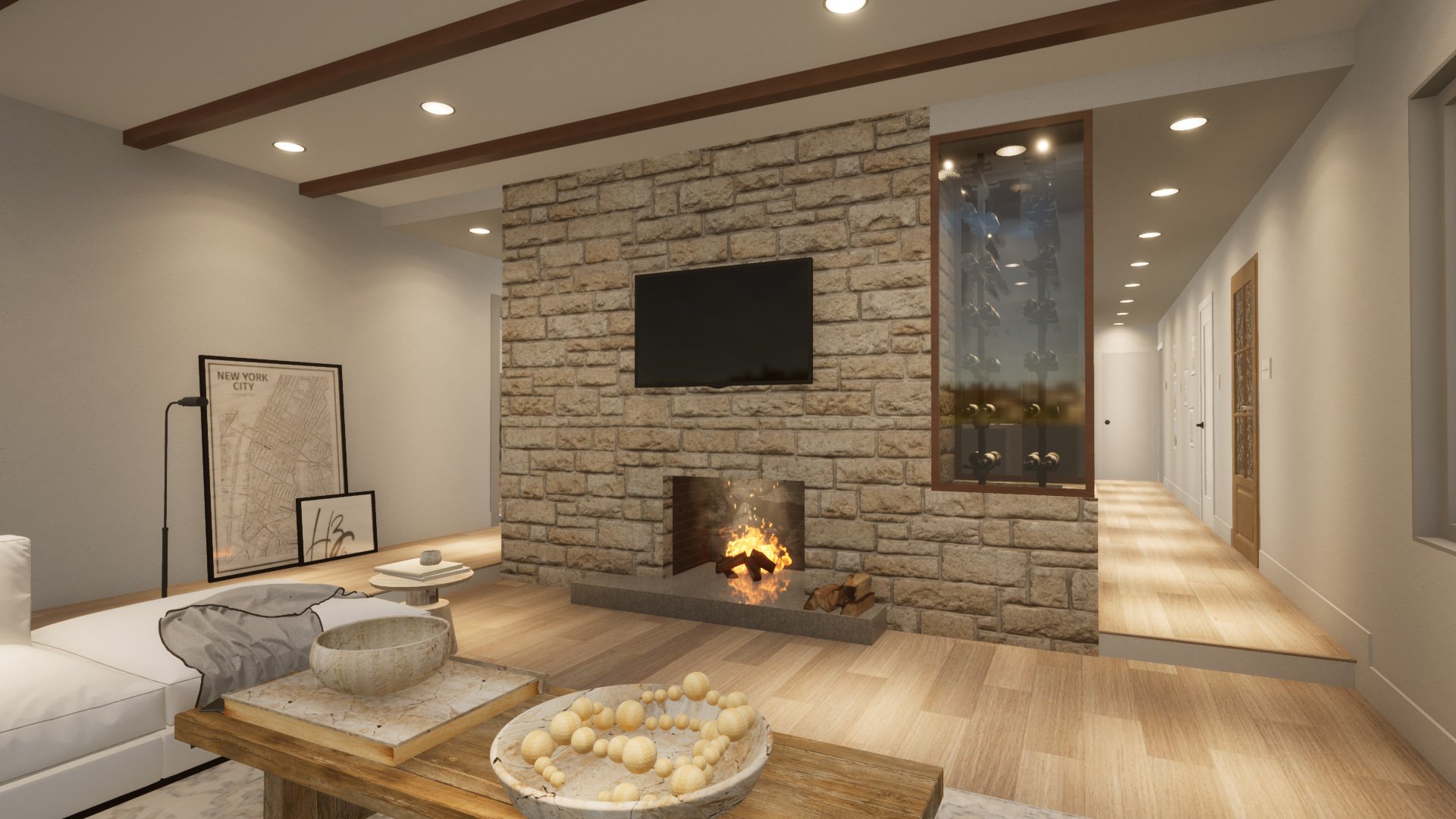
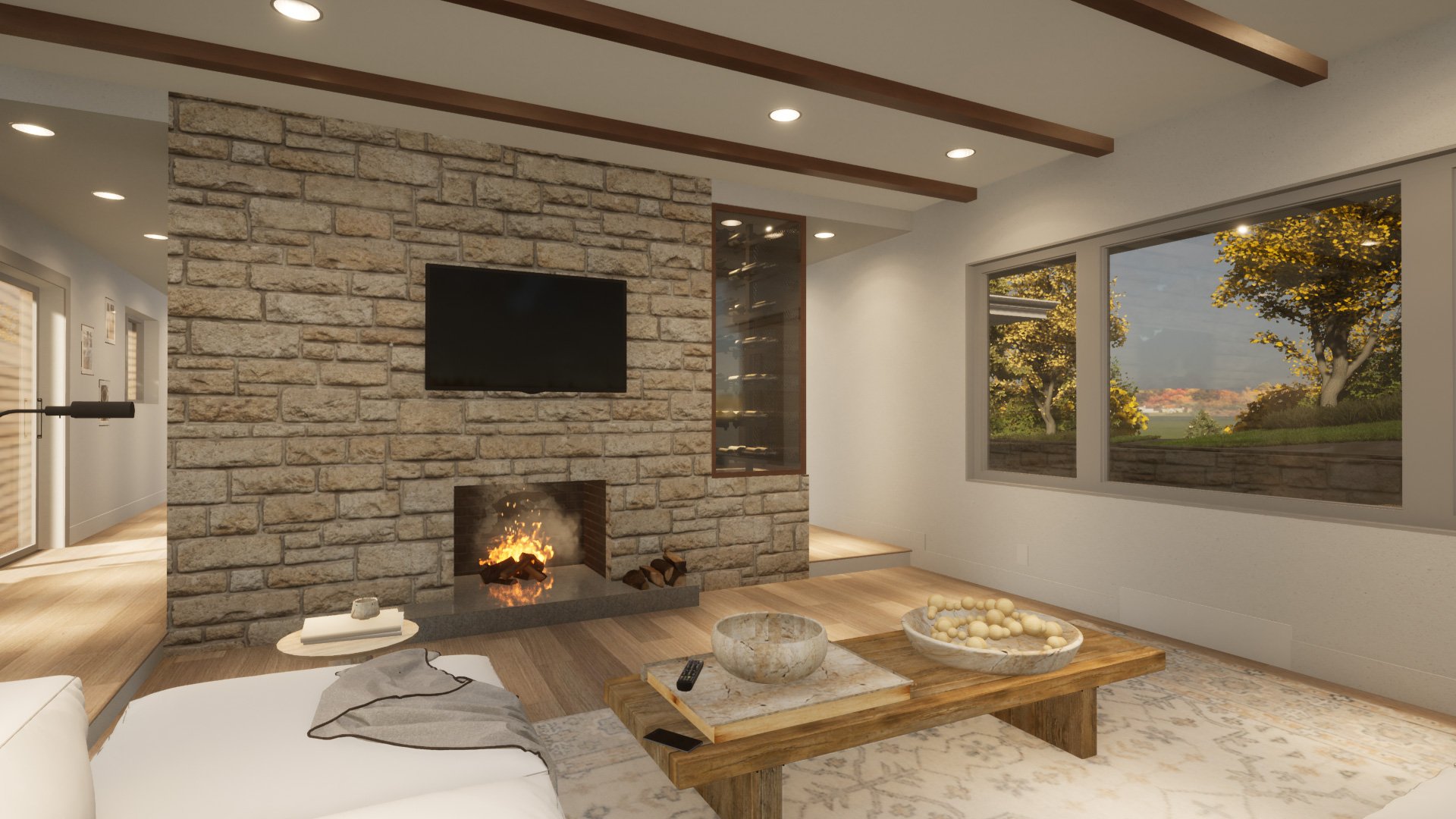
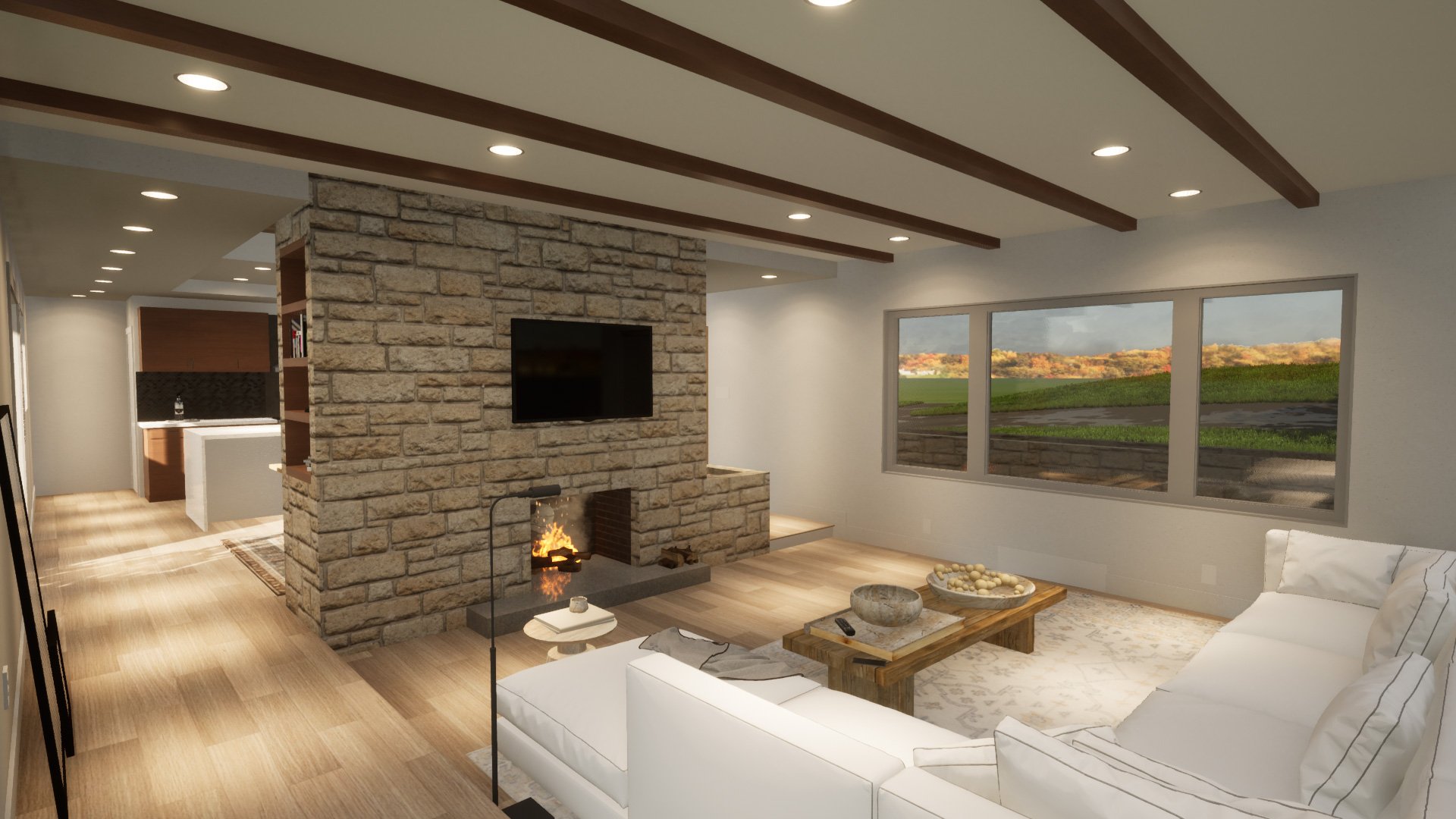
We retained the home's iconic Sunken Living Room and the massive stone fireplace, preserving the mid-century spatial flow while updating the aesthetic to a Transitional Style.
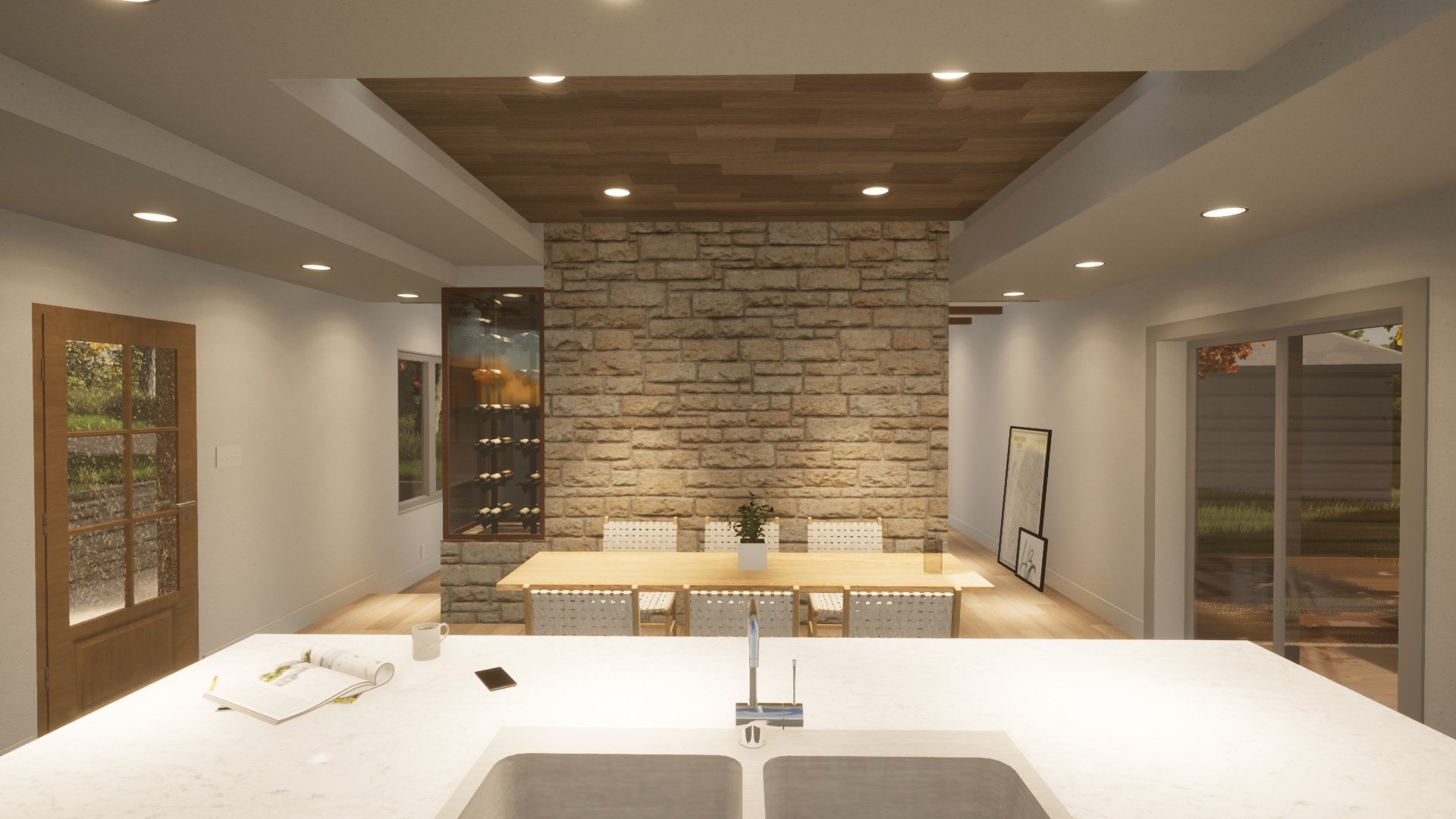
The Wine Feature: An outdated indoor planter integrated into the fireplace was reimagined as a custom glass wine cabinet, turning a relic into a focal point.
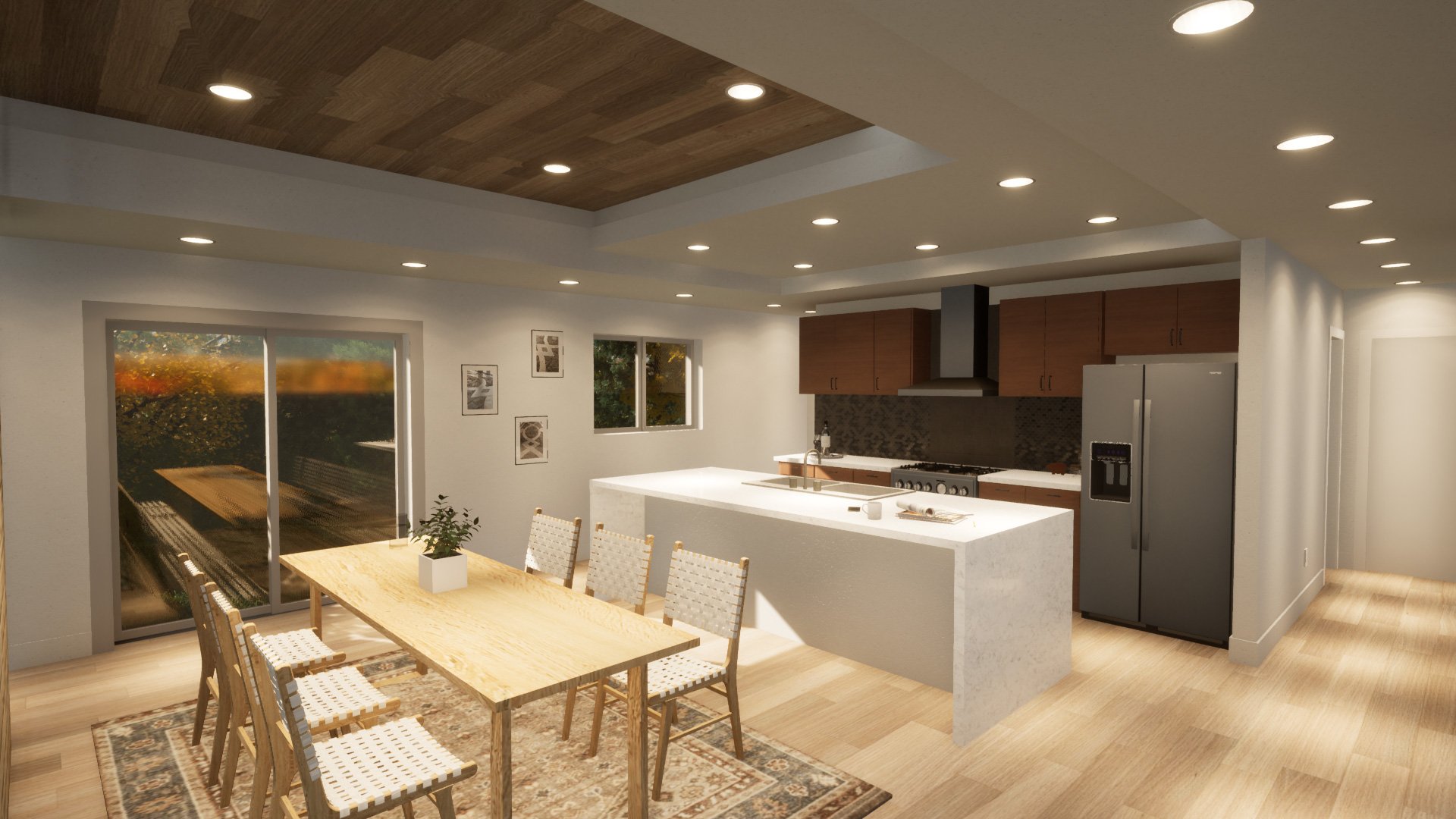
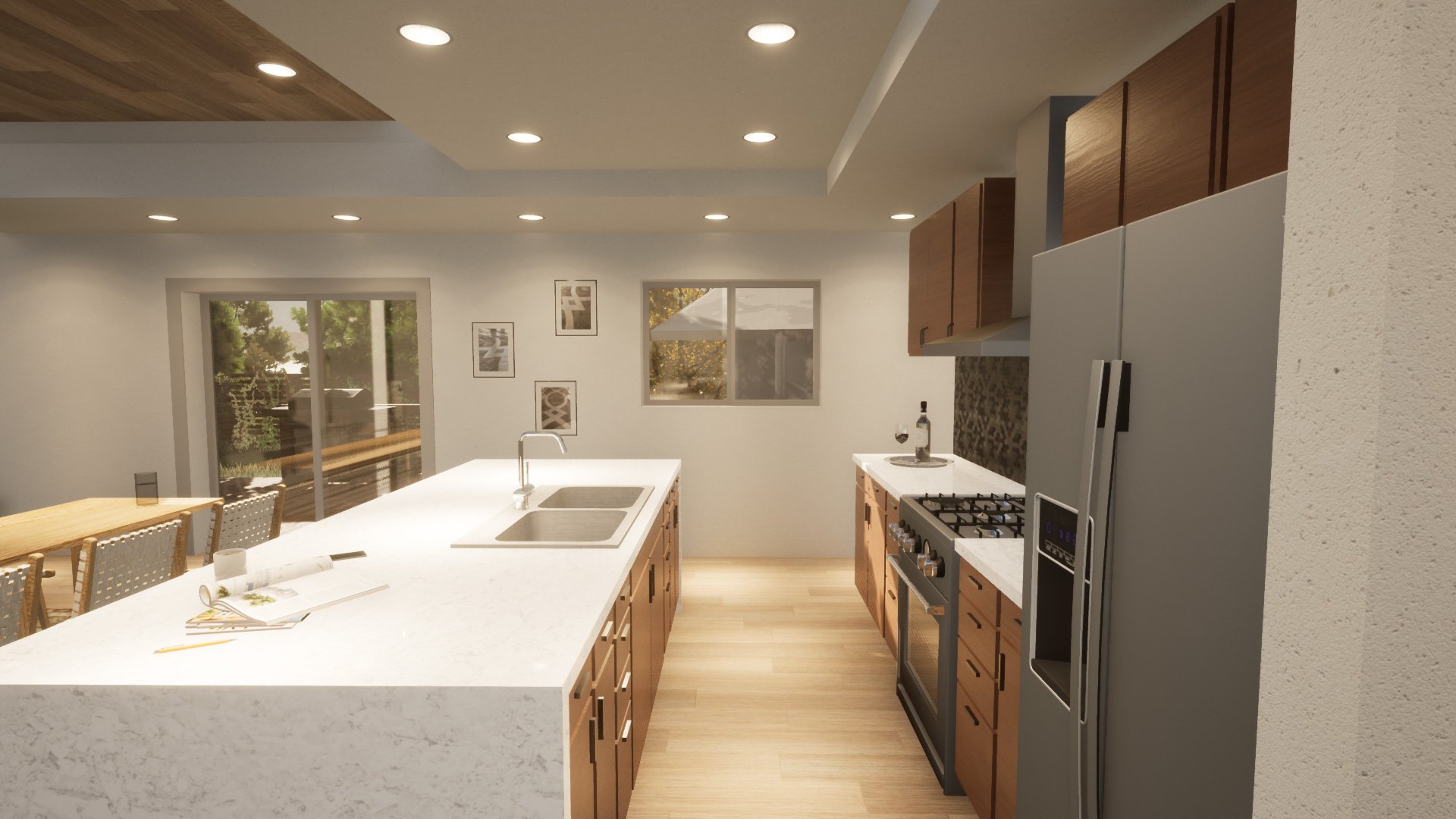
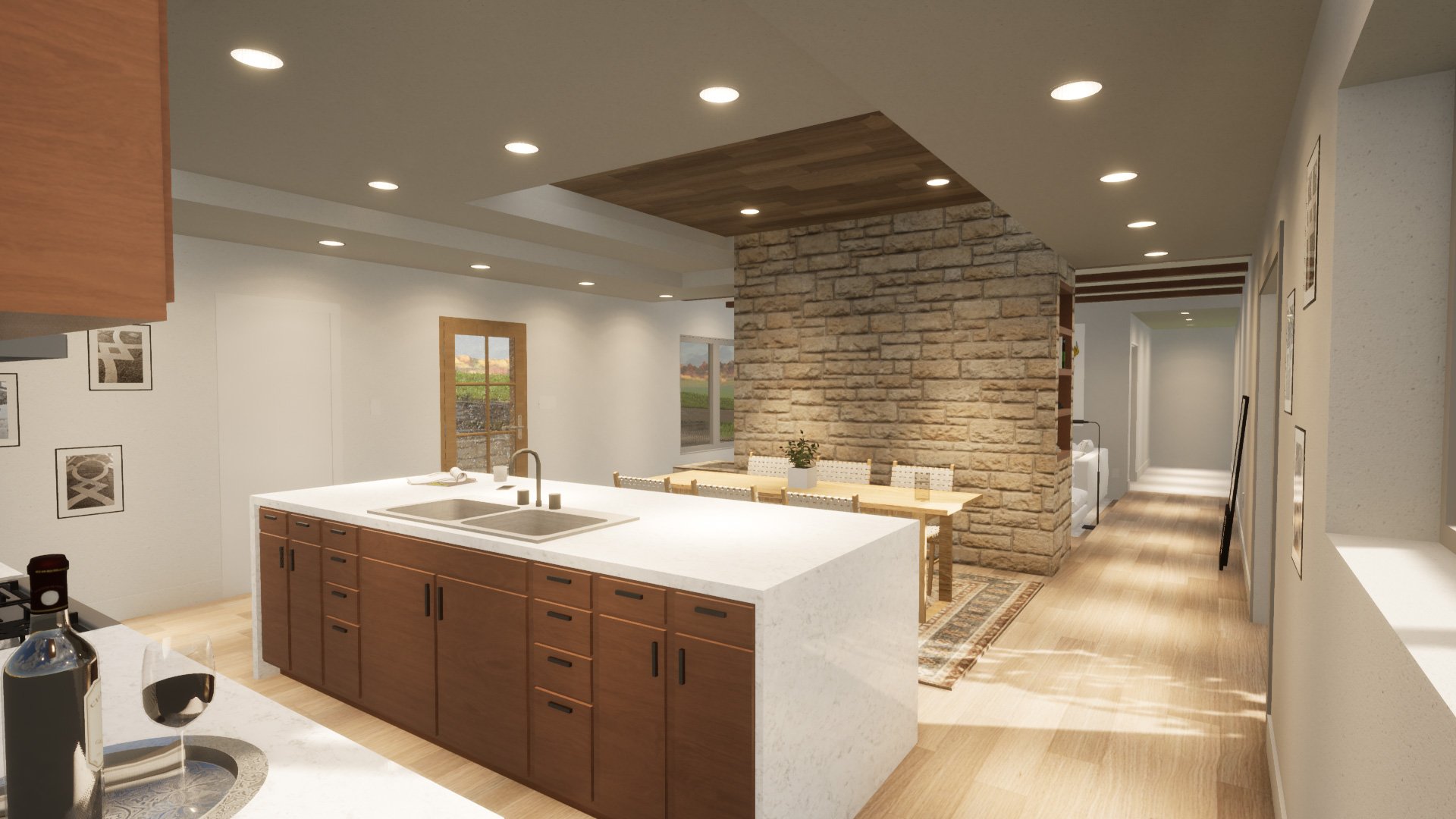
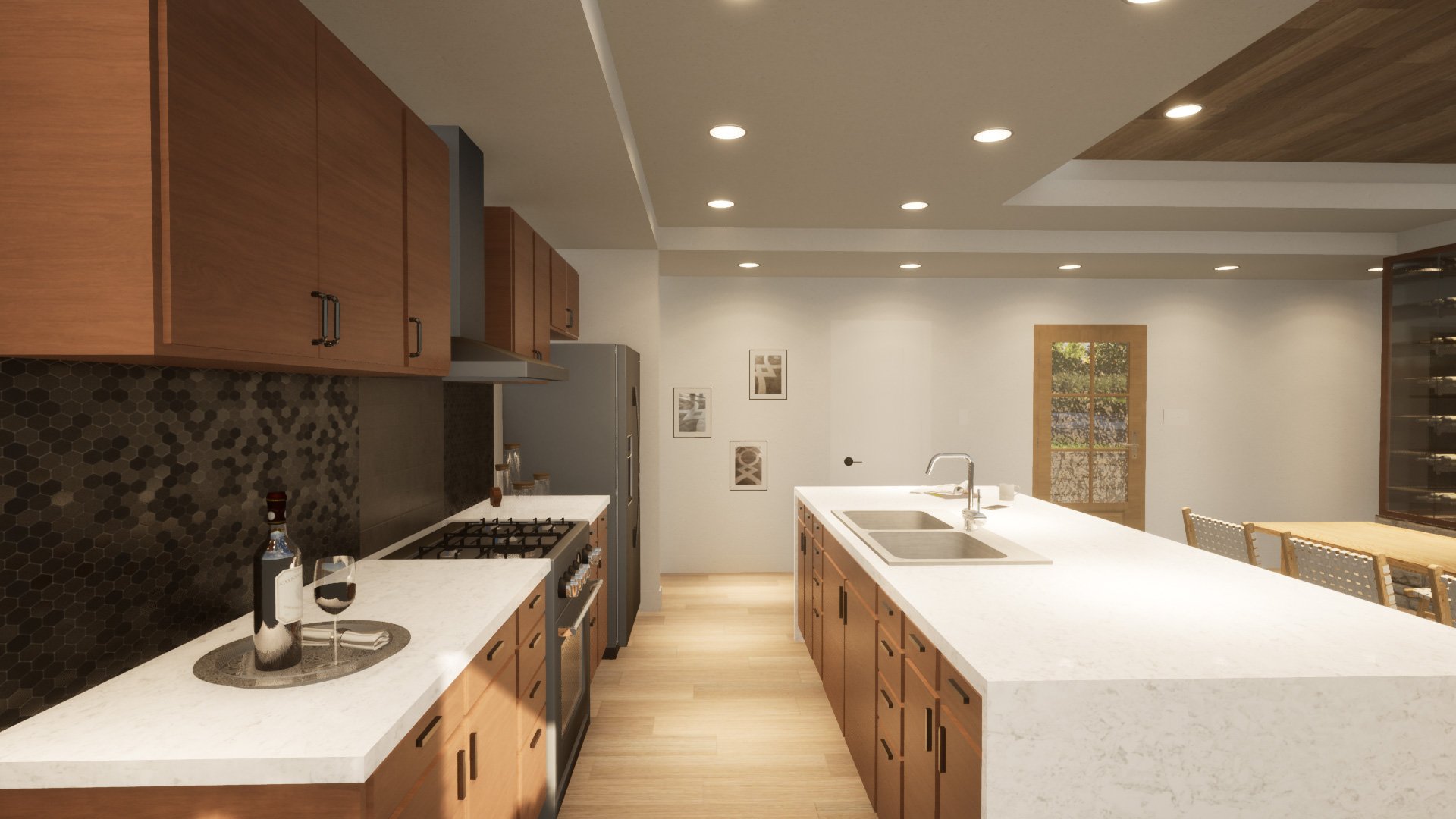
The Dining Zone: We opened the kitchen to the dining room for modern connectivity, utilizing ceiling trays to subtly define the zone without walls.
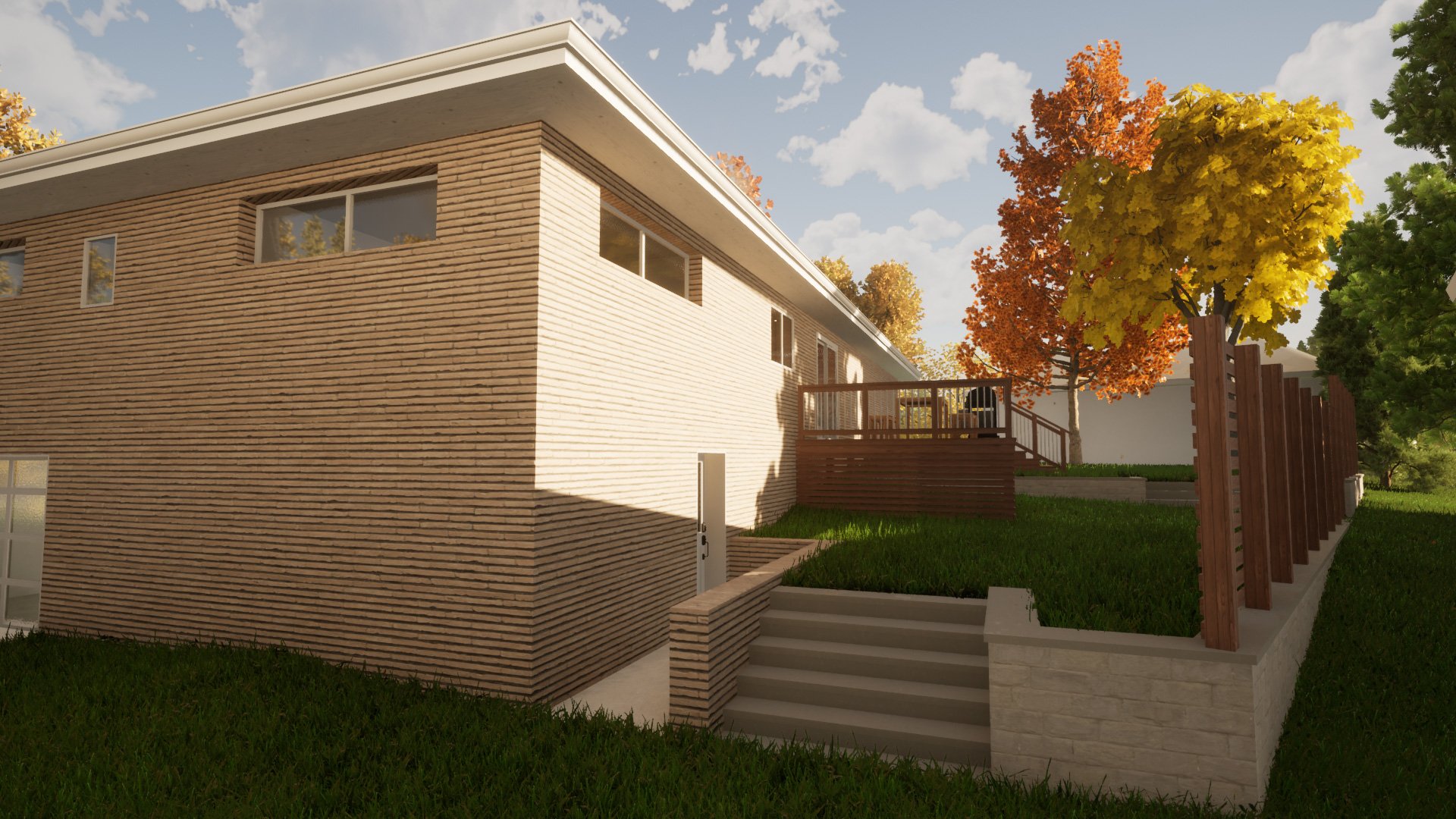
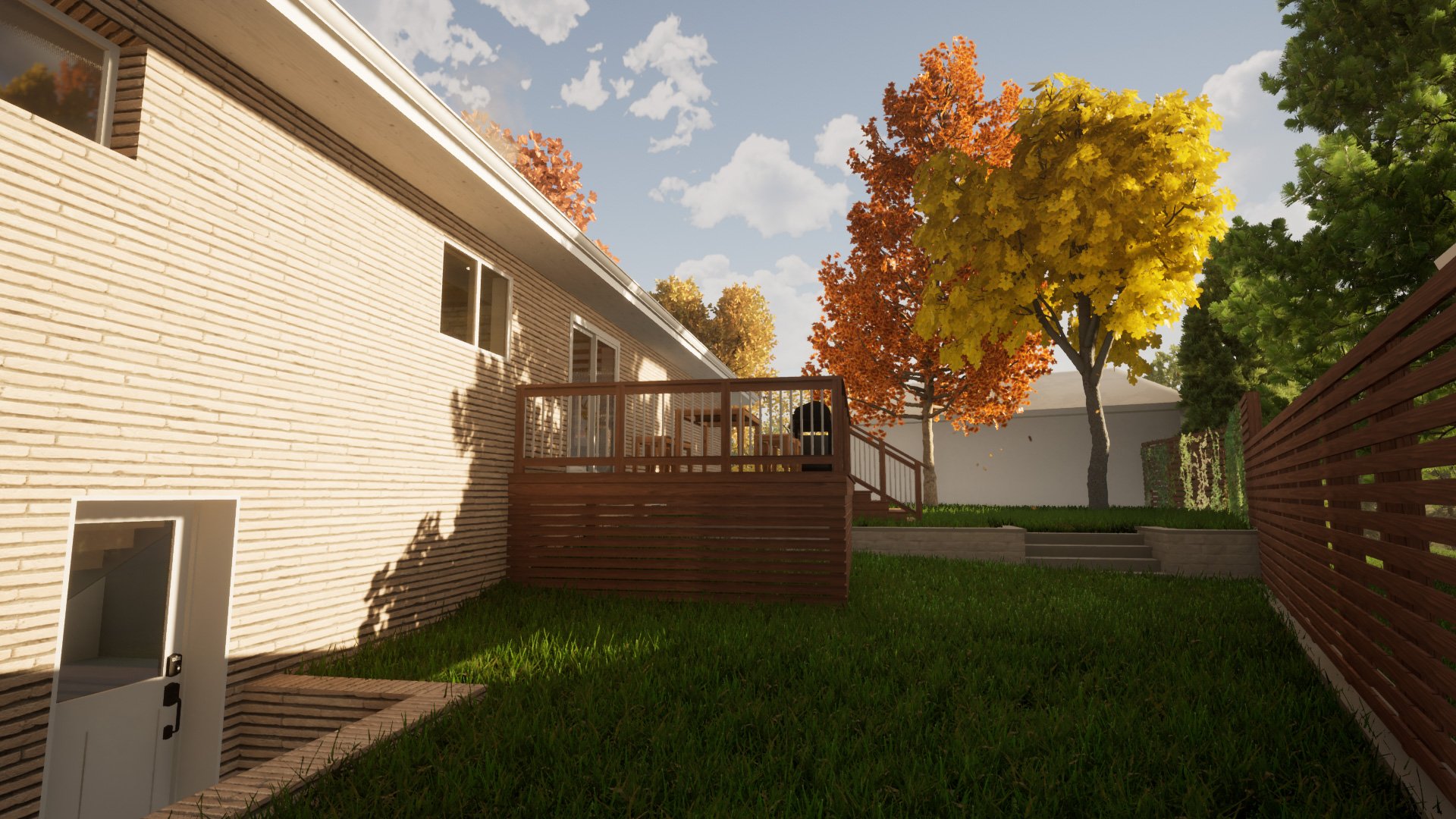
Site Engineering: The historically neglected sloping lot was engineered into Hardscape Terraces, turning a difficult grade into defined amenity zones for play and relaxation.